
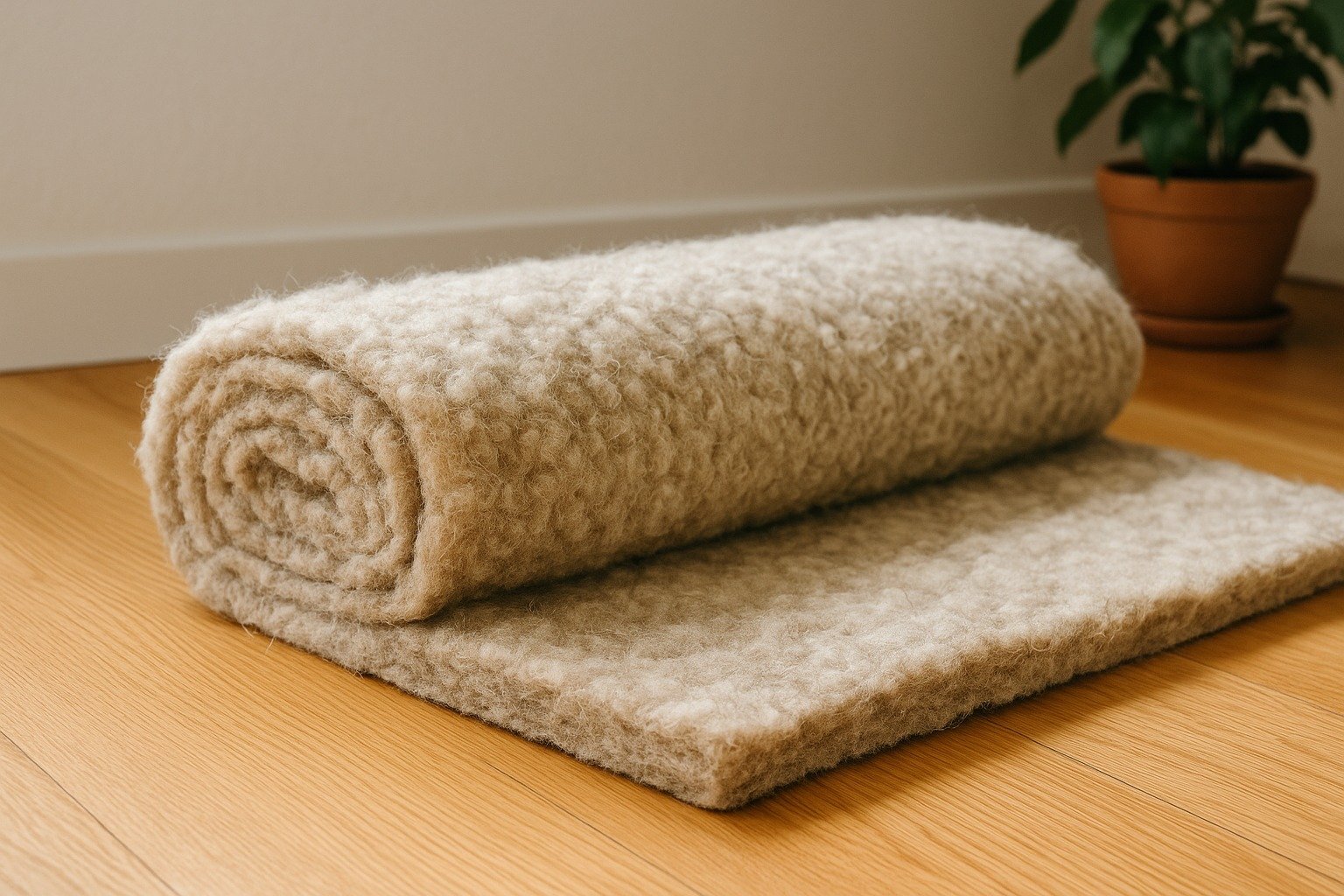
In a world where synthetic materials dominate our homes, the return of Wollmatten—wool mats—signals a quiet but powerful movement toward sustainability, comfort, and timeless natural design. These mats, made primarily from pure sheep’s wool, are more than just floor coverings—they are eco-conscious lifestyle products that bring warmth, sound insulation, and a connection to nature into modern interiors.
This article takes an in-depth look at Wollmatten, exploring their history, how they’re made, key benefits, and why they’ve become a cornerstone in the green living trend. We’ll also cover secondary topics such as wool mat insulation, eco wool rugs, natural wool felt mats, and sustainable flooring solutions to help you understand why this simple material is making a major comeback.
What Are Wollmatten?
“Wollmatten” is a German term meaning wool mats, encompassing a wide range of products—from thick felted mats to woven wool rugs and wool-based insulation sheets. Traditionally handmade, these mats have served practical and decorative purposes for centuries in Northern Europe, where wool was one of the most accessible natural fibers.
In modern use, Wollmatten have expanded beyond floor coverings. Today, you’ll find them in interior insulation, acoustic wall panels, eco yoga mats, and even biodegradable garden mats used for soil protection. Their versatility is matched by their core advantages: thermal efficiency, sound absorption, biodegradability, and natural elegance.
The Making of Wollmatten
The production process blends artisanal craftsmanship with modern ecological innovation:
- Wool Sourcing – Typically from sheep raised in eco-managed farms, ensuring renewable supply and ethical shearing practices.
- Cleaning and Carding – Wool fibers are washed to remove lanolin and impurities, then combed into uniform sheets.
- Felting or Weaving – Depending on the type, fibers are either pressed (felted) or woven into mats of varying density.
- Finishing Touches – Mats may be treated with natural lanolin for softness or mild eco-safe repellents for moth resistance.
- Cutting and Shaping – Finally, they are cut into desired dimensions for use as rugs, wall panels, or insulation rolls.
The process emphasizes minimal chemical intervention, keeping the fiber’s natural integrity intact. This gives Wollmatten their hallmark softness, warmth, and gentle scent—a stark contrast to synthetic alternatives.
Benefits of Wollmatten
1. Thermal Insulation
Wool fibers naturally trap air, making them excellent insulators. A wool mat underlay or wall insulation layer can significantly improve indoor temperature regulation—warm in winter, cool in summer. This natural insulation helps reduce heating and cooling costs while maintaining comfort.
2. Acoustic Performance
Wollmatten are outstanding at absorbing sound. Their dense, fibrous texture dampens echoes and reduces ambient noise, making them ideal for offices, studios, and cozy homes.
3. Sustainability & Eco-Friendliness
Unlike synthetic mats that rely on petroleum-based fibers, Wollmatten are fully renewable and biodegradable. At the end of their life cycle, they decompose naturally without releasing microplastics. Many are also carbon-neutral, as wool production supports regenerative agriculture.
4. Moisture and Air Quality Control
Wool can absorb up to 30% of its weight in moisture without feeling wet. This allows Wollmatten to regulate humidity and contribute to healthier indoor air by trapping dust and pollutants naturally.
5. Durability and Longevity
A properly cared-for wool mat can last for decades. Wool fibers are naturally elastic, meaning they spring back underfoot traffic, resist matting, and age gracefully.
6. Comfort and Aesthetic Appeal
Few materials can match the tactile luxury of wool. Wollmatten bring softness and organic beauty into any space, fitting both modern minimalist and rustic natural interiors.
Common Uses of Wollmatten
🏡 Home Interiors
- Area Rugs and Floor Mats: For living rooms, bedrooms, or entryways, they add comfort and insulation.
- Underlays: As under-floor padding beneath wooden or tile flooring.
- Acoustic Wall Panels: Used in home theaters or offices for soundproofing and aesthetic texture.
🌿 Construction and Insulation
- Thermal Insulation Mats: Used in eco-homes for walls, roofs, and floors.
- Soundproofing Boards: Ideal for recording studios or shared living spaces.
- Eco-Renovation Projects: Replace fiberglass insulation with natural wool equivalents.
🌸 Gardening and Outdoor Use
- Mulch Mats: Placed around plants to retain soil moisture, suppress weeds, and naturally decompose.
- Frost Protection: Keeps roots insulated in winter.
🧘 Lifestyle and Wellness
- Yoga Mats and Meditation Pads: Natural, breathable, and toxin-free alternatives to synthetic mats.
- Pet Mats and Bedding: Hypoallergenic and warm, perfect for sensitive pets.
How to Choose the Right Wollmatten
- Purpose – Decide between decorative, functional (insulation), or outdoor use.
- Material Composition – Opt for 100% wool for authenticity, or blends if you need extra durability.
- Thickness & Density – Thicker mats provide better insulation and comfort; thinner versions suit decorative use.
- Treatment Type – Look for eco-certified mothproofing and non-toxic dyes.
- Origin & Certification – Choose brands that follow ethical sourcing and sustainability standards (e.g., GOTS, Woolmark).
Care & Maintenance
Wool mats are surprisingly low-maintenance if treated properly:
- Vacuum regularly to remove dust and preserve fibers.
- Blot spills immediately with a clean, dry cloth—avoid soaking.
- Use wool-safe detergents for deep cleaning.
- Rotate periodically to ensure even wear.
- Air-dry in shade, avoiding direct sunlight that can fade natural colors.
For long-term preservation, occasional steam cleaning and moth protection sachets help maintain freshness.
The Eco-Luxury Appeal
The resurgence of Wollmatten isn’t just about function—it’s about values. Consumers today seek products that align with sustainability, wellness, and design integrity. These mats tick all boxes:
- Made from renewable materials
- Low environmental footprint
- Free from plastics or toxins
- Symbol of “slow living” and connection to nature
In interior design circles, they are part of the biophilic design trend, which integrates natural materials to improve mood and productivity. The tactile softness of wool, combined with its subtle scent and visual warmth, fosters a calming atmosphere—ideal for mindful living spaces.
Comparison: Wollmatten vs Synthetic Mats
| Feature | Wollmatten (Wool) | Synthetic Mats |
|---|---|---|
| Material | Natural, renewable | Petroleum-based |
| Durability | Long-lasting, resilient | Often shorter lifespan |
| Environmental Impact | Biodegradable, low-emission | Non-biodegradable, microplastic shedding |
| Comfort | Warm, breathable | Can feel cold or plasticky |
| Fire Resistance | Naturally flame-retardant | Often treated chemically |
| Cost | Higher initial cost, longer use | Cheaper but less durable |
The higher upfront cost of Wollmatten is offset by their longevity and sustainability—making them an investment, not an expense.
The Future of Wool-Based Materials
The future looks bright for natural materials like wool. With eco-building regulations tightening across Europe and growing demand for non-toxic interiors, Wollmatten are gaining recognition beyond niche markets.
Innovations in wool processing are creating lighter, stronger, and more versatile mats suitable for architecture, automotive interiors, and even acoustic art installations. Combined with circular economy principles, these mats embody the shift from disposable design to regenerative living.
Conclusion
Wollmatten represent a bridge between tradition and innovation—a reminder that nature often provides the most efficient and elegant solutions. From cozy floor mats to modern acoustic panels, they demonstrate that sustainability and comfort can coexist beautifully.
Whether you’re designing a green home, creating a tranquil yoga space, or simply searching for products that feel good and do good, wool mats are a smart, stylish choice.
Written for Newtly, your source for sustainable living, home design, and conscious lifestyle insights.
