
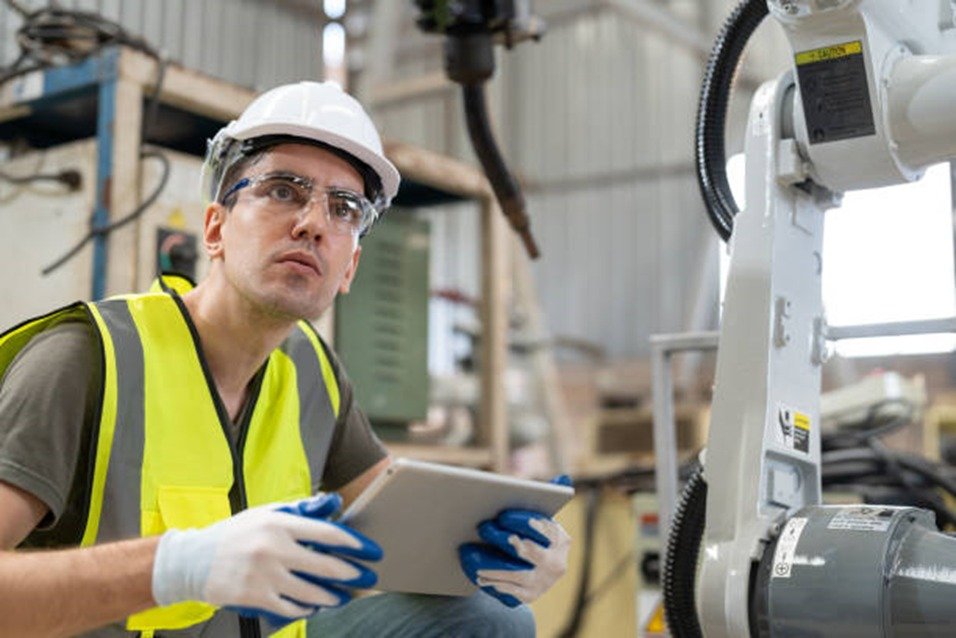
In any industrial setting, keeping machinery running at peak performance is critical for productivity, safety, and cost efficiency. Industrial machines are the backbone of manufacturing, logistics, and production processes. Downtime caused by breakdowns or poor performance can result in significant financial losses and operational delays. This is why regular maintenance is not merely a precaution—it’s a strategic necessity. Proper maintenance ensures longevity, optimal efficiency, and reliability, while also reducing the risk of accidents or catastrophic machine failures.
With the rise of machine automation, maintenance has become even more complex and essential. Automated machines rely on precise programming, sensors, and mechanical components working in harmony. A minor malfunction in one part of the system can cascade into broader issues affecting the entire production line. Therefore, maintaining these systems requires a combination of routine checks, preventative measures, and skilled interventions.
Preventative Maintenance
Preventative maintenance is the practice of regularly inspecting and servicing machinery to prevent breakdowns before they occur. This involves checking critical components, lubricating moving parts, replacing worn-out parts, and calibrating systems according to manufacturer specifications. For machines integrated with machine automation, preventative maintenance often includes software updates, sensor calibration, and ensuring control systems are functioning correctly.
Routine inspections allow maintenance teams to detect early signs of wear and tear, such as unusual vibrations, overheating, or decreased performance. Addressing these minor issues proactively can prevent more severe mechanical failures, reducing downtime and repair costs. Preventative maintenance also improves efficiency, as machines operating under optimal conditions consume less energy and perform at their designed speed and accuracy.
Predictive Maintenance
Advancements in machine automation have made predictive maintenance a powerful tool for modern industry. Unlike traditional maintenance schedules that rely on fixed intervals, predictive maintenance uses real-time data and analytics to forecast potential failures. Sensors embedded in machines monitor temperature, vibration, pressure, and other critical parameters. The data is then analyzed to predict when components may fail or require servicing.
Predictive maintenance allows companies to schedule repairs or part replacements precisely when needed, minimizing unnecessary downtime and maximizing operational efficiency. For automated systems, predictive maintenance is particularly valuable because it can detect issues that may not be visible to the naked eye, such as subtle deviations in motor performance or sensor feedback errors. By relying on data-driven insights, businesses can reduce maintenance costs while keeping machines operating at peak performance.
Lubrication and Cleaning
Proper lubrication and cleaning are fundamental practices for industrial machine maintenance. Friction between moving parts generates heat and wear, which can lead to component failure if not managed. Regular lubrication reduces friction, prevents overheating, and ensures smooth operation. Different machines require specific types of lubricants, so it’s crucial to follow manufacturer guidelines.
Cleaning is equally important, especially in environments where dust, debris, or chemical residues can accumulate. For automated machinery, keeping sensors, cameras, and robotic arms free from obstructions is critical. Contaminants can interfere with machine automation systems, causing errors in production, decreased precision, and even unexpected shutdowns. A clean machine is more reliable, accurate, and less likely to experience costly breakdowns.
Calibration and Alignment
Calibration ensures that machines are operating within their specified tolerances and producing consistent results. Misalignment of mechanical components or miscalibration of sensors can lead to product defects, reduced efficiency, and increased wear on parts. In automated systems, even small errors in calibration can propagate through the production process, affecting multiple machines and leading to quality issues.
Regular calibration, testing, and alignment checks are essential practices to maintain the integrity of machine automation processes. By keeping machines calibrated, manufacturers can ensure precise output, reduce waste, and extend the lifespan of expensive components.
Training and Documentation
Human expertise is a critical aspect of maintaining industrial machines. Skilled operators and maintenance personnel must understand both mechanical and automated systems. Proper training enables staff to identify potential issues early, perform maintenance tasks correctly, and respond efficiently to unexpected problems.
Documentation of maintenance schedules, inspections, and repairs is equally important. Detailed records allow maintenance teams to track patterns, identify recurring problems, and refine maintenance protocols. For machines utilizing machine automation, documentation of software updates, sensor recalibrations, and system modifications ensures that all interventions are consistent and traceable.
Integrating Maintenance with Automation
Modern industrial facilities often rely heavily on machine automation to streamline production. Integrating maintenance practices with automation technology enhances both reliability and efficiency. Automated monitoring systems can alert operators to maintenance needs, schedule servicing, and even adjust operational parameters to reduce strain on components. This integration allows companies to maintain high productivity while minimizing the risk of unexpected downtime.
In automated environments, collaboration between engineers, maintenance staff, and operators is essential. Combining mechanical expertise with knowledge of machine automation ensures that all aspects of the system are functioning optimally. Regular reviews, data analysis, and updates to software and hardware components keep the machines performing at their best.
Conclusion
Maintaining industrial machines at peak performance requires a comprehensive approach that combines preventative and predictive maintenance, proper lubrication and cleaning, calibration, and skilled human oversight. For systems relying on machine automation, additional attention to software, sensors, and control systems is critical.
By implementing a structured maintenance strategy and integrating modern automation technologies, companies can maximize efficiency, reduce downtime, and extend the lifespan of their machines. Consistent maintenance not only protects expensive equipment but also ensures reliable production, higher quality output, and safer working environments. In today’s competitive industrial landscape, these practices are essential for sustaining productivity and operational excellence.
For More Visit Newtly
