
R134a plays a crucial role in cooling the air circulated within vehicle cabins, ensuring comfort during hot weather while also contributing to driver alertness and safety. For vehicle owners, understanding the workings and maintenance of R134a air con gas is vital for sustaining air conditioning efficiency, prolonging the lifespan of their vehicle’s cooling system, and making informed decisions about repairs and replacements.
R134a air con gas, scientifically known as 1,1,1,2-Tetrafluoroethane, is a hydrofluorocarbon (HFC) that serves as a refrigerant in automotive air conditioning systems. It replaced the older R12 refrigerant (commonly known as Freon) in the early 1990s due to environmental concerns, particularly R12’s severe ozone-depleting properties. This transition marked a significant milestone in automotive environmental responsibility, as R12 was identified as a major contributor to stratospheric ozone depletion under the Montreal Protocol.
The Role of R134a in Automotive Air Conditioning Systems
R134a functions as an integral component of the air conditioning cycle, serving as the heat transfer medium that makes cooling possible. It absorbs heat from the air inside the vehicle and releases it outside, thanks to its unique thermodynamic properties and ability to change states (from liquid to gas and back) at relatively low temperatures.
The Refrigeration Cycle Explained
First, the compressor pressurizes R134a gas, raising its temperature and pressure significantly. Next, the hot, high-pressure gas flows to the condenser where it releases heat to the outside air and transforms into a high-pressure liquid. The liquid refrigerant then passes through an expansion valve or orifice tube, causing a rapid pressure drop and temperature decrease. Finally, the cold, low-pressure liquid enters the evaporator where it absorbs heat from the cabin air, evaporating back into a gas and completing the cycle.
Impact on Vehicle Performance
The efficiency of R134a directly impacts overall vehicle performance in several ways. A well-functioning air conditioning system reduces unnecessary strain on the engine, though it does require approximately 5-10 horsepower to operate the compressor. Maintaining appropriate refrigerant levels is crucial—insufficient R134a can lead to decreased cooling performance, increased wear on air conditioning components (particularly the compressor), and potential complete system failure. Conversely, overcharging can cause excessive pressure, reduced cooling efficiency, and possible damage to system seals and components.
Why Proper Maintenance of R134a is Crucial
Neglecting the maintenance of R134a levels can have significant consequences that extend beyond simple discomfort. Low refrigerant levels often result in reduced cooling efficiency, causing discomfort for passengers and potentially leading to expensive system damage. When refrigerant levels drop, the compressor may run continuously trying to achieve the desired temperature, leading to premature wear and potential failure.
Regular checks and maintenance of refrigerant levels are essential to avoid costly repairs like compressor replacement ($500-$1,200 or more). Owners should browse gas refill kits for R134a systems from reputable specialists for compatibility and DIY prevention. Studies indicate that vehicles with well-maintained air conditioning systems consume less fuel and have longer-lasting components, with properly functioning systems lasting 10-15 years or more. Regular maintenance can extend component life by 30-50%, underscoring the importance of proactive care rather than reactive repairs.
How to Maintain Optimal R134a Levels
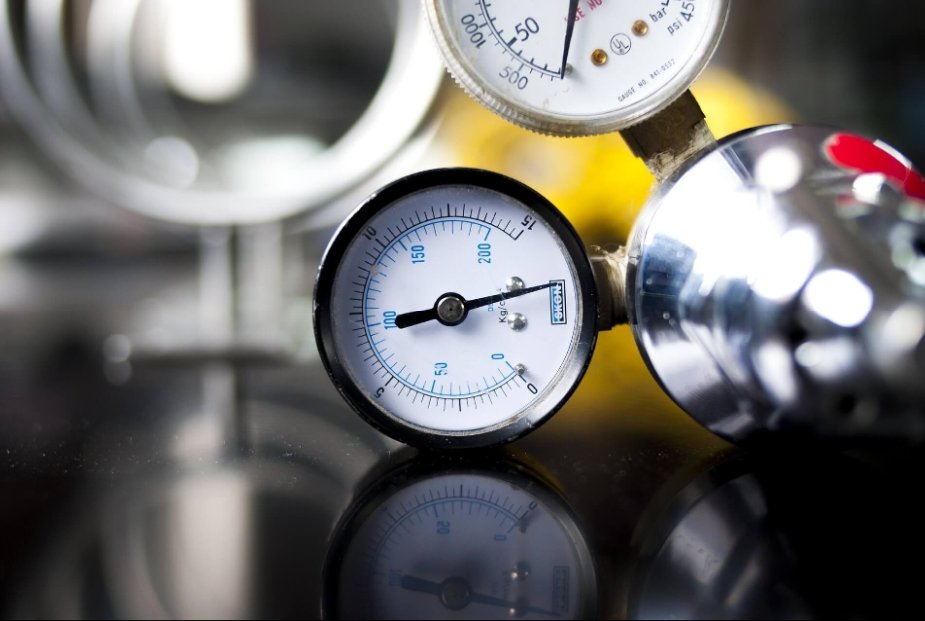
Vehicle owners can take several practical steps to maintain optimal R134a levels and ensure their air conditioning system operates efficiently. Regular monitoring should include using a gauge set designed for automotive AC systems to check refrigerant levels, ideally during seasonal maintenance or at least annually. Visual inspections for oil stains around AC components can reveal refrigerant leaks, as refrigerant carries compressor oil throughout the system.
Key Warning Signs of Low Refrigerant
Understanding the signs of low refrigerant is essential for early intervention. Watch for these common indicators:
- Reduced cooling output or AC blowing warm air
- AC takes longer than usual to cool the cabin
- Unusual noises like clicking or hissing from the compressor area
- Visible ice formation on AC components or refrigerant lines
- Compressor clutch cycling on and off rapidly
- Musty odor from the vents indicating moisture in the system
- Oil residue or greasy spots near AC connections suggesting active leaks
Compatibility Considerations for Older Vehicles
Owners of older vehicles manufactured between approximately 1995-2017 face unique considerations as the automotive industry transitions away from R134a. While R134a itself remains available, understanding compatibility and future availability is important for long-term vehicle ownership planning.
It is important to use compatible products specifically designed for R134a systems to avoid damaging the air conditioning unit. R134a systems use PAG (Polyalkylene Glycol) or POE (Polyol Ester) oils, not the mineral oils used with older R12 systems. Additionally, seals and gaskets must be compatible with R134a, and retrofitting older vehicles requires seal replacement. System components including compressors, expansion devices, and driers must all be designed for R134a use.
What to Avoid When Servicing R134a Systems
Mixing refrigerants or using incorrect products can lead to inefficiencies and potential system failures. Never mix R134a with:
- R12 (Freon) from older systems
- R1234yf (the newer refrigerant)
- Hydrocarbon refrigerants
- Generic “universal” refrigerants claiming compatibility with multiple types
Vehicle owners should seek guidance from certified technicians or reputable auto parts specialists on finding the right products for their specific air conditioning systems.
