
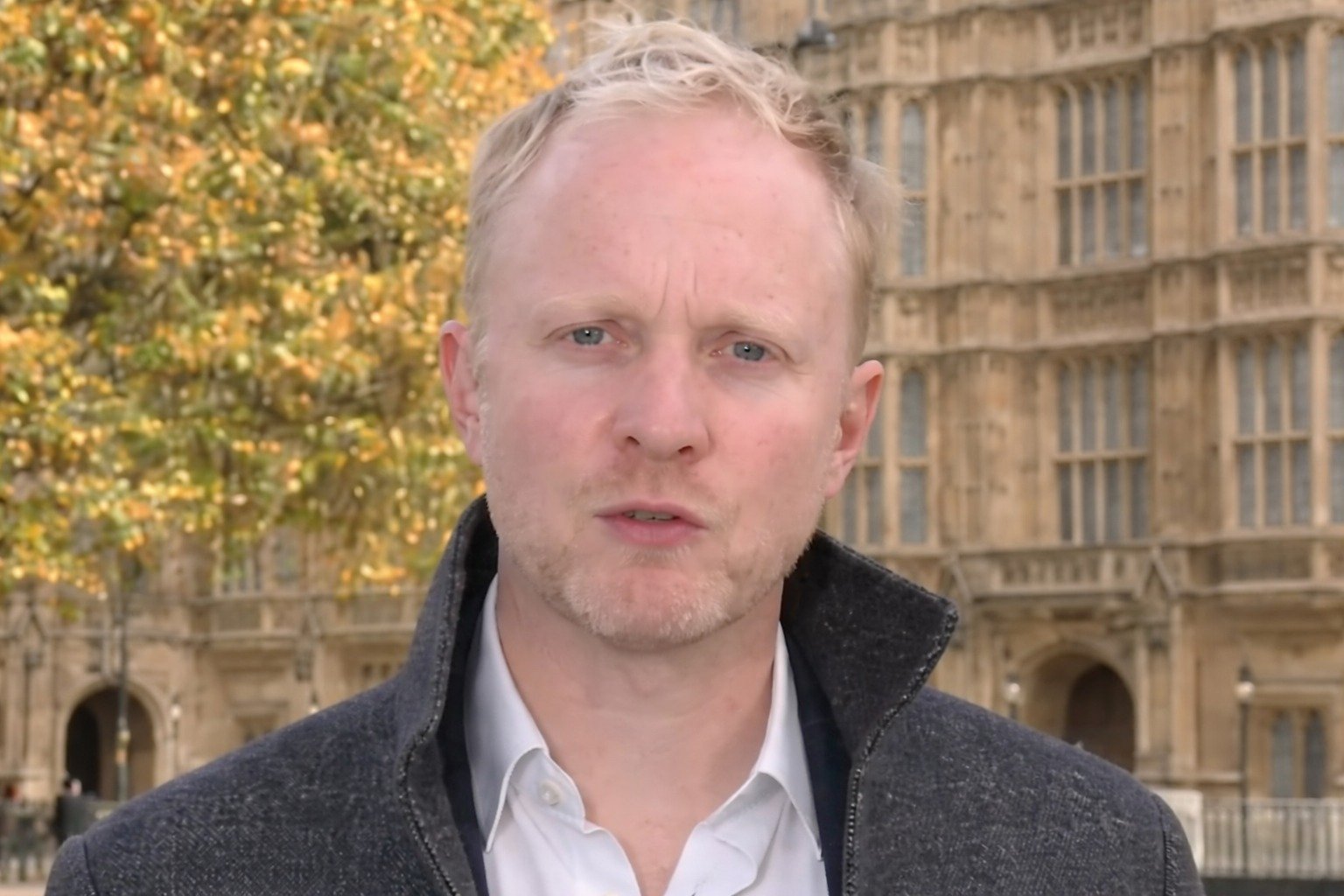
When readers follow the big twists of British politics in the Financial Times, there’s a good chance they’re encountering the work of Jim Pickard. As a long-standing Financial Times political correspondent and now deputy political editor, Jim Pickard has become one of the key journalistic voices explaining Westminster to the wider world.
In this article, we’ll look at Jim Pickard the journalist, his career at the FT, his influence on political reporting, and his presence on social platforms like Twitter/X and Bluesky. We’ll also address what (little) is publicly known about his personal life, including the often-searched phrase “jim pickard wife”.
Who is Jim Pickard?
Jim Pickard is a British journalist known primarily for his work at the Financial Times, where he has been a central figure in political coverage for more than two decades. He joined the paper in 1999 and rose to become chief political correspondent in 2013, later serving as deputy political editor.
Pickard studied at the University of Bristol, a background that helped prepare him for the analytical side of political and economic reporting. His particular focus has often been the point where politics meets policy and economics—covering not just Westminster gossip, but the complex decisions that shape the UK’s economy, energy strategy, and international standing.
Career at the Financial Times
When people search for “jim pickard financial times”, they’re really searching for the story of his long career at one of the world’s most respected business newspapers.
Over the years, Pickard has held several roles at the FT, including:
- Wales & West Country correspondent
- Assistant UK news editor
- Property correspondent
- Political correspondent
- Chief political correspondent
- Deputy political editor
This progression shows a reporter who has done the hard miles—regional reporting, property and business, general UK news—before anchoring himself in politics. That broad background is part of what makes Jim Pickard journalist pieces feel grounded: he understands not only speeches and spin, but also how policy plays out in the real world.
At the FT, he has worked on big investigations and breaking stories, from the internal battles of Jeremy Corbyn’s Labour Party to the controversy around David Cameron’s lobbying for Greensill Capital.
Big Stories and Awards
Jim Pickard’s reputation is not built on commentary alone, but on award-winning reporting.
- In 2019, he was part of the Financial Times team that won the Political Journalism prize at the British Journalism Awards for their series on “The Corbyn Revolution” and the Labour Party under Jeremy Corbyn.
- In 2021, the FT’s in-depth coverage of Greensill Capital—including Cameron’s lobbying efforts—again gained major recognition and helped define the public understanding of the scandal.
One of his most notable contributions to political language was coining the term “motorway man” in the run-up to the 2010 UK general election. This phrase described a key swing voter demographic: commuters, often living near major roads, whose political loyalties could determine election outcomes. It’s a good example of the way Pickard turns dense polling and electoral analysis into a simple, memorable idea.
In recent years, Pickard’s byline has appeared on stories about
- The rise and internal tensions of Reform UK
- UK nuclear power policy and planning
- Funding and reform of state-linked institutions like the Post Office
- Debates over workers’ rights, audit reform, and industrial policy
These topics show the breadth of Jim Pickard journalist work: he covers not just party politics, but the machinery of the state and the economy behind it.
Jim Pickard on Twitter/X
For many readers, their first encounter with him is not through a paywalled FT article, but through “jim pickard twitter” searches that lead to his X (Twitter) profile, @PickardJE.
On Twitter/X, Jim Pickard:
- Shares links to his latest Financial Times articles.
- Live-tweets from party conferences, key parliamentary votes, and big political events.
- Adds context or quick clarifications to fast-moving stories.
- Interacts with other journalists, analysts and politically engaged readers.
His feed reflects a mixture of straight reporting, sharp observations, and occasional humour. Followers get a sense not only of what’s happening in Westminster, but also of how seasoned observers inside the lobby are reading events as they unfold.
For anyone building a news-oriented social media feed, the jim pickard twitter account is a valuable source: it often flags stories early, points to deeper FT coverage, and gives a feel for the immediate mood inside UK politics.
Jim Pickard on Bluesky
As social media platforms diversify, “jim pickard bluesky” has become another common search. Pickard is present on Bluesky under the handle pickardje.bsky.social, where his profile notes that he is deputy political editor, Financial Times, as well as an amateur iPhone photographer and some-time musician.
While Bluesky is still smaller than X/Twitter, it’s increasingly used by journalists and politically engaged users who want a more experimental or decentralised platform. On that profile, you see slightly more of his personality:
- A casual mention of photography hints at an eye for visual detail—something that can also be seen when he shares images of campaigns, rallies, or quirky political moments.
- The reference to music suggests interests beyond politics, a reminder that even the most serious Westminster operators have creative sides.
Together, jim pickard twitter and jim pickard bluesky show how he adapts to new digital spaces while keeping his core identity as a political reporter intact.
Broadcasting and Public Appearances
Jim Pickard is not just a byline and a social media handle. He also appears regularly as a commentator and analyst across broadcast media.
He has featured on outlets such as BBC Radio 4 (including the Today and PM programmes), Radio 2, Radio 5 Live, Newsnight, CNBC, Sky News, Channel 4, GB News, LBC, and Times Radio.
These appearances extend his reach beyond the Financial Times readership and underline why he’s widely treated as a reliable explainer of complex political developments. When big stories break—elections, reshuffles, budget announcements—Jim Pickard is one of the journalists broadcasters call to help make sense of it all.
Reporting Style and Approach
What makes Jim Pickard journalist work stand out is the mix of:
- Deep sourcing in Westminster – his stories frequently reveal what ministers, advisers and backbenchers are really thinking, not just what’s said at the despatch box.
- Policy literacy – he covers the details of energy policy, industrial strategy and public spending with the same care as party politics.
- Clear, accessible writing – complex issues like nuclear planning rules or trade agreements are broken down into understandable narratives for readers who may not follow every twist of UK politics.
This combination has made him a trusted guide for business readers, political insiders and ordinary voters who want more than just headlines.
Personal Life and “Jim Pickard Wife”
One of the secondary search phrases around him is “jim pickard wife”. However, unlike celebrities whose private lives are constantly in the spotlight, there is no reliable, widely cited public information about the spouse or family life of Jim Pickard the Financial Times political journalist.
Most search results for “Jim Pickard wife” actually refer to other people with the same name, often in local obituary notices from North America, and not to the London-based journalist at the FT.
This absence of detail is itself telling: like many reporters, he appears to keep his private life deliberately low-profile, focusing his public presence on journalism and commentary rather than on family or personal stories. For readers, that means respecting a clear line between public work and private life.
Why Jim Pickard Matters in Today’s Media Landscape
In an era of partisan noise and fast-moving social media cycles, figures like Jim Pickard play a crucial role. His long service at the Financial Times, award-winning investigations, and steady presence on broadcast media have established him as one of the more trusted interpreters of UK politics
Whether you first come across him through a paywalled FT article, a trending jim pickard twitter thread, or a clip on radio or TV, you’re seeing the work of a journalist who has spent years building sources, understanding institutions, and learning how to tell politically complex stories in a way that readers can follow.
As politics continues to shape everything from the cost of living to climate policy and international trade, journalists like Jim Pickard—who bridge the gap between Westminster insiders and the wider public—remain essential.
Final Thoughts
From coining “motorway man” to covering the rise of new parties, the drama of leadership contests and the details of policy shifts, Jim Pickard has helped define how the Financial Times explains UK politics to the world. His reporting, analysis and social media presence offer a window into Westminster that is both informed and accessible.
For readers who want to follow politics beyond the surface, keeping an eye on Jim Pickard journalist pieces, tracking jim pickard financial times articles, and following his updates on jim pickard twitter and jim pickard bluesky is a smart way to stay informed.
In the evolving world of political journalism, his work stands as an example of how persistence, expertise and clarity can still cut through the noise—and here on Newtly, we aim to highlight exactly those voices that help readers make sense of a complicated world.
