
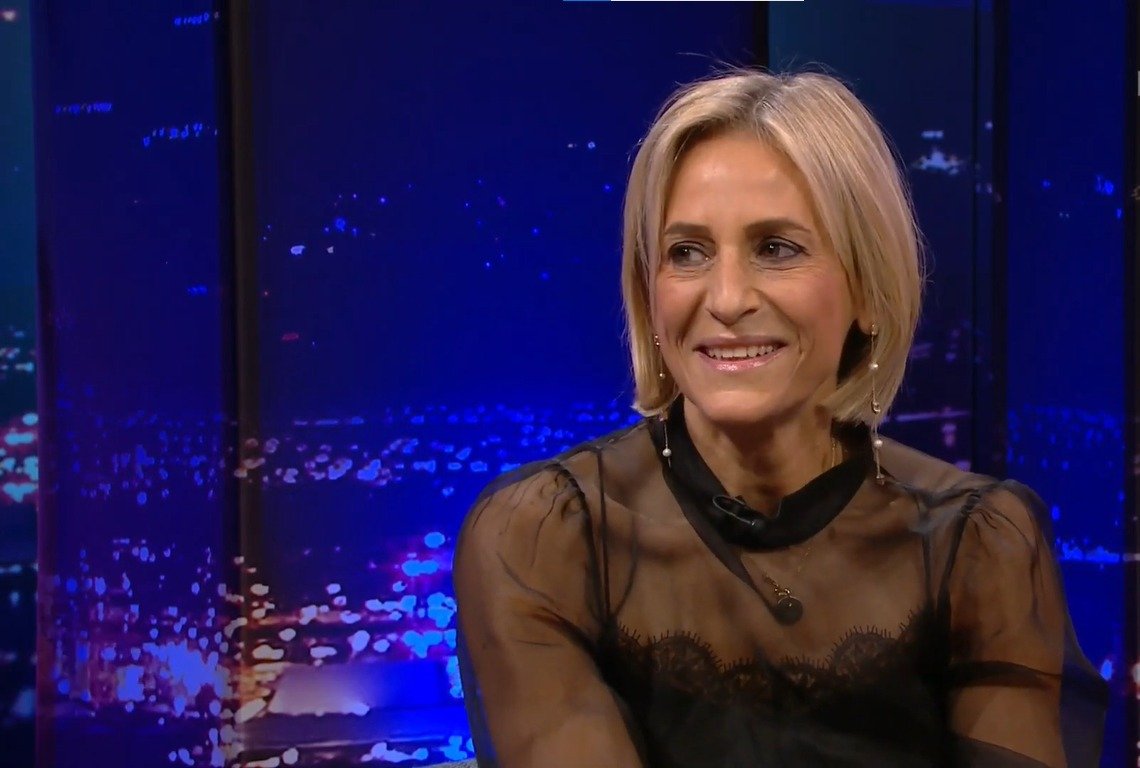
Emily Maitlis is one of the most influential and recognisable journalists in modern British media. Known for her sharp interviewing style, calm authority, and fearless approach to powerful figures, she has shaped political journalism in the UK for more than two decades. From her long career at the BBC to her high-profile departure and reinvention as a podcast host, Maitlis represents a new kind of broadcaster—one who blends traditional journalistic values with a willingness to challenge institutions publicly.
Born in Canada and raised in the UK, Emily Maitlis built a reputation not through celebrity journalism but through serious, often uncomfortable conversations with politicians, royalty, and decision-makers. Her work resonates not just because of the questions she asks, but because of the moments she creates—moments that frequently become part of national conversation.
Early Life, Education, and Path into Journalism
Emily Maitlis was born on 6 September 1970 in Hamilton, Ontario, Canada, before moving to Sheffield, England, at a young age. She attended King Edward VII School and later studied English at Queens’ College, Cambridge. Her academic background helped shape her articulate, precise communication style, which later became one of her defining professional traits.
Before appearing on British television screens, Maitlis worked internationally, reporting from Asia and contributing to radio and documentary projects. This early exposure to global reporting gave her a broader perspective than many domestic news presenters and helped her develop the confidence needed to report from high-pressure political environments.
BBC Career and Rise to Prominence
Emily Maitlis joined the BBC in the early 2000s and gradually became a familiar face on BBC News. Over the years, she presented major programmes including BBC News Channel bulletins, BBC Breakfast, and eventually Newsnight, where she became lead presenter in 2018.
At Newsnight, Maitlis moved beyond simply reading the news. She was known for direct questioning, long-form interviews, and editorial introductions that framed political stories in clear moral terms. This approach earned praise from viewers who wanted clarity—but also criticism from those who felt it challenged the BBC’s traditional concept of impartiality.
Emily Maitlis and Prince Andrew: A Defining Moment
Any discussion of Emily Maitlis is incomplete without addressing her 2019 interview with Prince Andrew. The interview, conducted for Newsnight, focused on Prince Andrew’s association with Jeffrey Epstein and allegations made by Virginia Giuffre.
The interview became one of the most talked-about moments in modern British broadcasting. Prince Andrew’s explanations, body language, and controversial claims—particularly regarding his inability to sweat—were widely criticised. Maitlis’ calm, forensic questioning was praised for allowing viewers to draw their own conclusions while still holding her subject accountable.
The fallout was historic. Within days, Prince Andrew withdrew from public royal duties, and the interview became a case study in how journalism can directly influence public accountability. This moment permanently cemented Emily Maitlis’ reputation as one of the most formidable interviewers of her generation.
Emily Maitlis Swearing: Breaking the Polished Presenter Image
One aspect that has made Emily Maitlis particularly relatable to audiences is her refusal to present a polished, artificial persona. On several occasions—most notably during podcast appearances and off-air moments—clips of Emily Maitlis swearing have circulated online.
Rather than damaging her reputation, these moments often humanised her. Viewers and listeners interpreted them as signs of authenticity rather than unprofessionalism. In an era where audiences increasingly distrust overly scripted media figures, Maitlis’ unfiltered reactions reinforced her image as someone who speaks honestly, even when emotions run high.
Emily Maitlis Stalker Incident and Personal Safety
Despite her public confidence, Emily Maitlis has also faced darker aspects of public life. She has spoken openly about dealing with a stalker, an experience that highlighted the risks faced by high-profile journalists, particularly women. The incident led to increased security concerns and served as a reminder that media visibility can come with serious personal consequences.
Her willingness to discuss this experience publicly was widely praised, as it drew attention to an issue often kept hidden. By addressing it openly, Maitlis contributed to broader conversations about journalist safety, online abuse, and the pressures faced by women in public-facing roles.
Departure from the BBC and New Direction
In 2022, Emily Maitlis left the BBC following internal disputes over impartiality guidelines, particularly after she publicly criticised government actions in editorial introductions. Her departure marked the end of an era for Newsnight—but also the beginning of a new chapter.
She soon joined Global Media to co-host The News Agents, alongside Jon Sopel and Lewis Goodall. The podcast quickly became one of the UK’s most listened-to political shows, allowing Maitlis to speak more freely than she could under BBC regulations.
In this format, her strengths became even more apparent: sharp analysis, conversational authority, and the ability to explain complex political issues in accessible language without oversimplifying them.
Public Image, Criticism, and Cultural Impact
Emily Maitlis is not universally liked—and that may be part of her power. Critics accuse her of bias, while supporters argue that her work represents moral clarity rather than political positioning. What is undeniable is her influence. She has changed expectations of how journalists can challenge power while still maintaining professional credibility.
Her career reflects a broader shift in journalism, where audiences increasingly value transparency and accountability over rigid neutrality. Whether on television, radio, or podcasts, Maitlis continues to shape how political journalism is consumed and understood in the UK.
Personal Life and Beyond the Camera
Away from the spotlight, Emily Maitlis is married to Mark Gwynne, an investment manager, and is a mother of two. She has spoken candidly about balancing family life with the demands of a high-pressure media career. She is also involved in charity work and has served as a celebrity ambassador for organisations supporting seriously ill children.
Despite her fame, she has maintained a relatively private personal life, choosing to let her work speak louder than her off-screen persona.
Legacy and Continuing Influence
Emily Maitlis’ career is defined not just by where she has worked, but by the conversations she has forced the country to have. From the Prince Andrew interview to her outspoken moments on modern media platforms, she has shown that journalism can be both rigorous and human.
As media continues to evolve, Maitlis remains a central figure in debates about impartiality, accountability, and the role of journalists in democracy. Her influence is likely to endure, not only through her past work but through the standards she has helped redefine.
In the evolving landscape of digital journalism and long-form political discussion, voices like Emily Maitlis continue to matter—and platforms such as Newtly aim to document and analyse these influential figures shaping public discourse today.
