
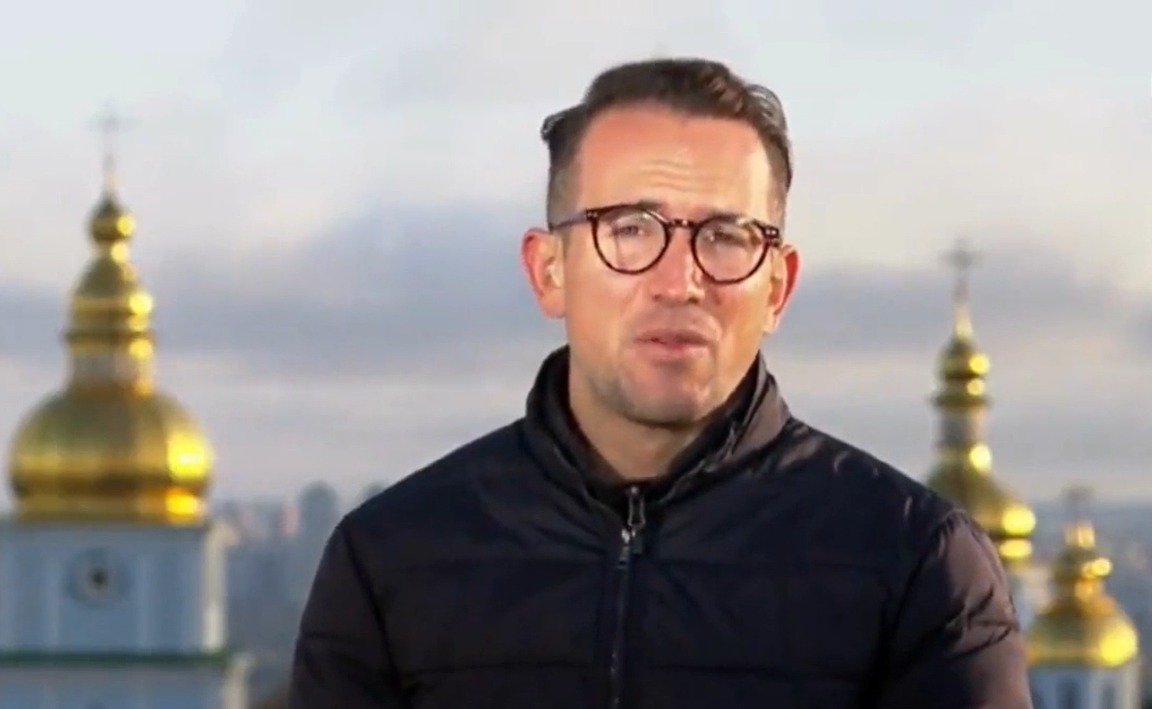
In the sprawling, fast-moving world of international journalism, few names have gained recognition as steadily as Hugo Bachega, a BBC correspondent whose clarity, on-ground presence, and calm reporting style have made him an increasingly visible figure in global news. Whether he’s delivering updates from conflict zones or explaining the human impact behind headlines, Bachega has emerged as a distinctive and trusted voice. His reporting has taken him across continents, but it is his coverage of the Middle East that has shaped the strongest part of his professional identity.
Despite rising public interest, Hugo Bachega remains relatively private, which means only part of his background is fully documented. Still, what is publicly known paints the picture of a journalist deeply committed to understanding the complexities of global conflict, politics, and human stories.
Early Life, Background & National Identity
When people search for “Hugo Bachega nationality”, it’s usually because his accent and manner of speaking hint at a blend of influences. And that’s pretty spot-on — Bachega is Brazilian-born, which is the only nationality detail publicly and reliably confirmed. Several outlets online claim that he may also hold British nationality due to his long-term work with BBC News, but this has not been officially verified. Until he confirms it himself, it’s safest to say:
- He is Brazilian by birth.
- Any dual nationality claims remain unverified.
What is clear from his own social posts is that he has lived, worked, and traveled across multiple regions from a young age. He has mentioned that he first lived in the Middle East at age 20 and has been returning ever since — a detail that helps explain his strong familiarity with the region’s political and cultural landscape.
Career Path: From Local Reporting to International Correspondent
Hugo Bachega didn’t appear suddenly on the international stage; he built his career progressively. Some background sources note that he worked with major news agencies in Brazil, possibly including Reuters, before moving to the BBC. While complete timelines are not publicly available, what is certain is that:
- He has been with BBC News for several years.
- He has served in increasingly prominent roles as a foreign correspondent.
- His most visible work is as a Middle East correspondent based in Beirut.
Bachega’s reporting style tends to focus on clarity — shaping complex political and military situations into understandable narratives for global audiences. He often highlights the human dimension behind major stories, something that has become a key part of his journalistic signature.
BBC Middle East Correspondent: Work on the Frontlines
Covering the Middle East demands a specific kind of journalistic resilience — balancing safety, accuracy, empathy, and speed. Bachega has appeared in BBC News broadcasts covering a range of major issues in the region, including:
- Conflict developments
- Humanitarian crises
- Political shifts
- International diplomatic reactions
His on-ground reporting often includes scenes filmed amid active conflict or immediately after major incidents, giving viewers a front-row understanding of unfolding events. What sets him apart is not only the content of his reporting, but the calm, deliberate tone he uses while delivering updates — something viewers often comment on.
Hugo Bachega Accent — Why People Are Curious
Searches for “Hugo Bachega accent” have become surprisingly common. It’s easy to see why: his speech has a unique blend that doesn’t immediately place him in one linguistic category.
Here’s what can be understood:
- His accent carries Brazilian Portuguese roots, especially in vowel sounds and rhythm.
- Years of living in English-speaking environments have shaped his very smooth and mostly neutral English tone.
- His exposure to multiple cultures through reporting work also influences his speech cadence.
The result is an accent that sounds global — a polished international style that fits perfectly with the BBC’s broadcasting voice. In fact, many viewers say his accent adds a relatable warmth to his reporting, making serious news feel more grounded.
Presence on Social Media & Public Platforms
Hugo Bachega maintains active accounts on major social platforms, particularly:
- X (formerly Twitter)
On these platforms, he shares glimpses of his reporting, behind-the-scenes notes, on-location insights, and occasionally personal reflections about working in emotionally heavy news environments. His online presence is professional rather than personal — which fits his overall preference for privacy.
This tight control over personal disclosures means that online curiosity about him has grown, especially in areas like:
- “Hugo Bachega partner”
- “Hugo Bachega personal life”
- “Is Hugo Bachega married?”
Up next, I’ll address this carefully and accurately.
Hugo Bachega Partner — What Is Known?
This is one of the most frequently searched questions about him. But the truth is straightforward:
👉 Hugo Bachega has not publicly shared information about his partner, relationship status, or personal family details.
Any websites that confidently claim knowledge about his partner or marital status are using speculation or unsourced information.
What we can say safely is:
- He keeps his private life entirely separate from his public journalism career.
- There is no public confirmation of a partner, spouse, or relationship.
Respecting his privacy is important — especially for journalists working in conflict zones, where personal safety can be affected by what becomes publicly known.
Does Hugo Bachega Have a Wikipedia Page?
Another common query is “Hugo Bachega Wikipedia.”
Currently:
👉 Hugo Bachega does not have an official Wikipedia page dedicated solely to him.
However, he is listed and referenced on several related Wikipedia pages, such as those that catalog current BBC correspondents or journalists. As his public profile continues to grow, it would not be surprising if a full biography page eventually appears — but as of now, he doesn’t have a standalone page.
Reporting Style: Human-Focused, Calm, & Clear
One of the reasons Bachega’s work resonates with viewers is his tone — both emotionally and verbally. Whether he is covering political reactions, humanitarian tragedies, or complex military escalations, he consistently presents information with:
- Measured calmness
- Clear explanation of context
- Empathy for affected people
- Professional neutrality
In high-pressure live broadcasts, this steadiness is especially valuable. Viewers often remark that his clarity helps them understand fast-changing events without feeling overwhelmed.
Challenges & Responsibilities of Covering the Middle East
Reporting from the Middle East is demanding — it requires cultural knowledge, political awareness, emotional resilience, and logistical agility. Bachega’s years of experience living in or traveling through Middle Eastern countries contribute to his informed coverage.
Some of the key challenges he navigates include:
- Rapidly shifting political dynamics
- On-ground safety threats
- Communication restrictions during crises
- Ethical issues when reporting on trauma
- Verifying witness claims in chaotic environments
That he continues to deliver concise, trustworthy reporting speaks to his growing reputation within international journalism circles.
Why He Has Become a Recognizable Name
In recent years, as BBC News has increasingly relied on its correspondents to provide immediate on-scene coverage, Hugo Bachega has become a familiar face to millions of viewers. That rise in visibility has naturally sparked more curiosity about him, his background, and his life beyond the newsroom.
But despite the internet’s hunger for details, Bachega has kept the spotlight firmly on the stories he covers — not on himself. This blend of professionalism, privacy, and steady reporting is likely why audiences find him so compelling.
Final Thoughts — Hugo Bachega’s Growing Role in Global Journalism
Hugo Bachega’s career reflects a modern kind of journalism — globally mobile, culturally aware, and rooted in a desire to explain the complexities of the world with fairness and clarity. As he continues reporting from the Middle East and beyond, his voice is likely to become even more central in the BBC’s coverage of major global events.
And as his profile grows, so will public interest in his journey, his background, and his work. For now, the most accurate picture of Hugo Bachega is one of professionalism, dedication, and curiosity — a reporter focused on the world rather than himself.
In-depth profiles like this help connect the dots for readers seeking trustworthy information. For more thoughtful, detailed explorations like this one, you can always check out Newtly, where stories meet clarity.
