
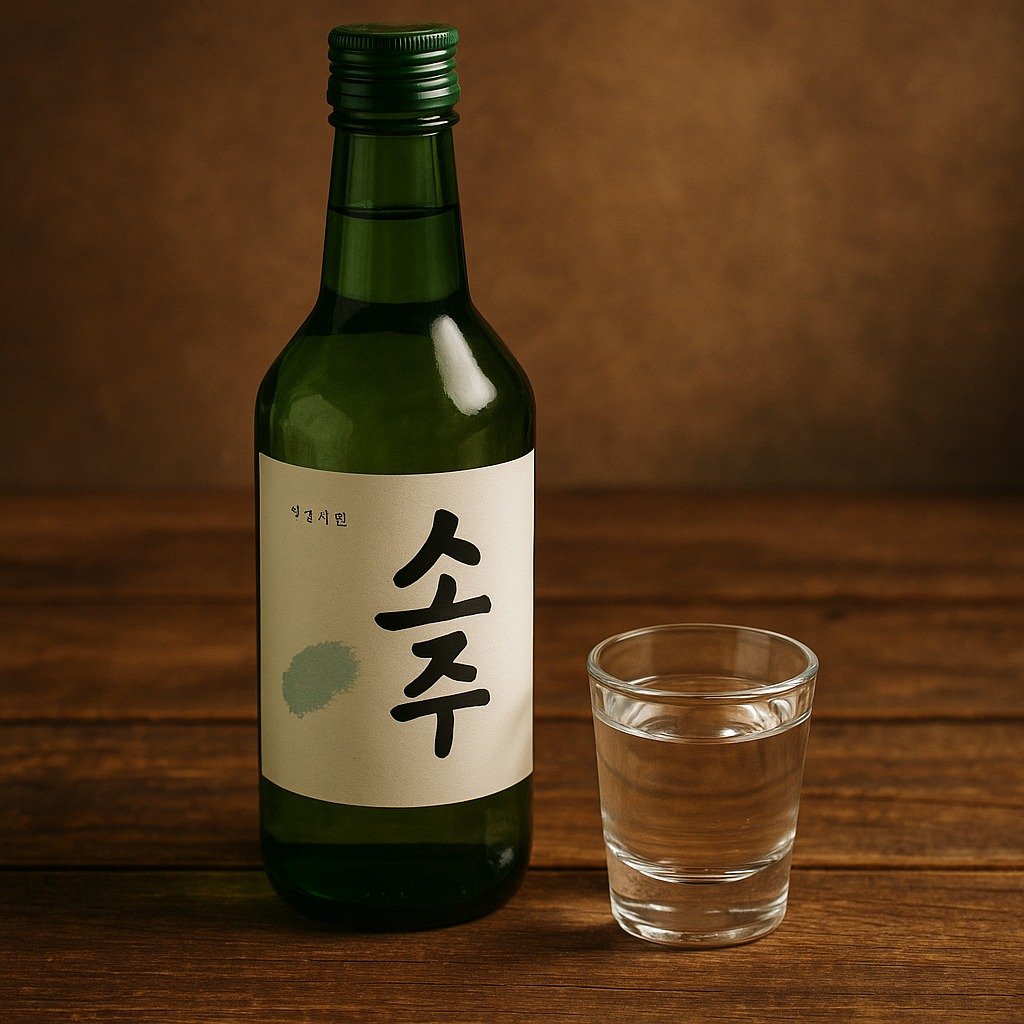
In this article, we’ll delve deep into the Korean distilled drink often transcribed as “sodziu” (more commonly known internationally as Soju), exploring its origins, production, flavour range, global rise, drinking culture and why it’s more than just another liquor. Along the way we’ll cover secondary keywords like Korean soju, soju flavours, soju drinking etiquette, soju cocktails, soju ABV, and how to drink soju.
What is “sodziu” / soju?
“Sodziu” is a transcription of “soju”, the clear distilled alcoholic drink from Korea — so when you see “sodziu”, it refers to soju. Soju is a clear, colourless spirit that was traditionally made from rice, although modern production often uses alternative starch sources such as wheat, barley, tapioca or sweet potatoes.
The name soju in Korean literally means “burned liquor” (so = burn, ju = liquor), referring to the distillation process.
Alcohol by volume (ABV) can vary considerably. Traditional, stronger soju might reach higher percentages (for premium or artisan styles) whereas mass-produced versions often hover around 16–20% ABV.
So in short: if you’re reading about “sodziu”, think of a smooth, Korean artisanal-to-mass spirit that is easy-drinking and culturally significant.
A Brief History & Cultural Background
The story of soju goes back centuries. While precise dates vary, many sources agree that the technique for distilling soju was introduced to the Korean peninsula during the 13th century under the influence of the Mongols, who themselves had adopted distilling techniques (similar to arak) from the Middle East.
Specifically, the region around Kaesong (in what is now North Korea) and later Andong became centres of early soju production.
In modern times soju became enormously popular in South Korea, and today it is widely available and regarded by many as the country’s national spirit.
The production methods and materials evolved over time because of resource constraints (especially rice shortages) and regulatory changes, which led to alternative starches being used and to dilution processes in mass production.
So when we talk about “sodziu”, we’re tapping into a drink that is deeply embedded in Korean social & food culture — not merely a foreign import.
How is soju (sodziu) made and what are the flavour variations?
Production basics
Traditionally, soju was distilled from fermented rice wine (soju makers would ferment rice, then distill it). Over time, due to government policy, rice usage was restricted and many producers switched to other starches (sweet potatoes, tapioca, barley, wheat).
In simpler commercial production, ethyl alcohol may be diluted, filtered (often through bamboo charcoal) and flavourings or sweeteners added.
Flavour and strength
- Many everyday sojus are smooth, mildly sweet, with an alcohol content around 16-20 %.
- Premium or traditional sojus (for example artisan ones) may have higher ABV (30%+), more complexity, and might emphasise the original rice-based distillation or oak-aged processes.
- Flavoured soju – in recent years there’s been a surge of fruit-infused or lightly flavoured versions (e.g., grape, peach, citrus) to appeal to younger drinkers or global markets.
Taste profile
Soju is often compared to vodka in terms of being clear and neutral, but it is gentler, smoother, and often slightly sweeter (especially flavoured versions).
Thus, “sodziu” offers a broad spectrum: from inexpensive, approachable and light, to more premium, crafty, higher-ABV variants.
Why has soju (sodziu) become globally popular?
Several factors contribute to the rise of soju in global markets:
- Accessibility: because soju is relatively low in alcohol compared with many spirits, it appeals to more casual drinkers.
- Cultural export: the Korean wave (K-pop, Korean dramas, Korean cuisine) has helped raise awareness of Korean products, including soju.
- Versatility: soju’s flavour profile makes it suitable for mixing in cocktails, pairing with food, or drinking neat.
- Innovation: modern flavours, packaging and marketing have broadened its appeal beyond Korea.
- Price: many sojus are affordable compared to premium spirits, which helps in wider adoption.
For readers looking at “sodziu”, this means you’re dealing with a drink not only rooted in tradition but also actively expanding globally.
Drinking culture, etiquette & pairing
Understanding how to drink soju enriches the experience.
Etiquette
- In Korea, soju is often consumed in social gatherings. There are customs: the youngest at the table may pour for the elder, you use both hands when receiving a glass from someone older, you should not pour your own glass.
- Drinking is more than consumption—it signals solidarity, enjoyment, communal bonding.
Pairing with food
- Soju pairs well with Korean food: grilled meats (barbecue), spicy stews, fried dishes. Because its flavour is subtle, it complements rather than overwhelms.
- Mixed drinks: one popular variation is somaek (soju + beer) in Korea.
Serving
- Typically served cold or with ice. Neat and chilled is common for more premium soju; for simpler versions you might mix or combine.
- Because many sojus have a lower ABV than many hard spirits, you can comfortably drink with food and socialise rather than drink quickly.
When you think “sodziu”, frame it as a social ritual, a drink to be shared and enjoyed with food and friends rather than simply a strong shot.
Key terms & things to look out for (secondary keywords)
When exploring “sodziu”, here are related terms you’ll come across, and what they mean:
- Korean soju – emphasises the origin (Korea) of the drink.
- Soju flavours – refers to the fruit-infused or flavoured variants of soju (grape, peach, citrus, etc.).
- Soju ABV / alcohol content – the percentage of alcohol; important when comparing strength and cost.
- Soju cocktails – mixed drinks where soju is used as the base (e.g., soju martini, soju cosmopolitan, soju + fruit juices).
- Soju etiquette / how to drink soju – refers to the cultural norms around consuming soju.
- Premium soju / craft soju – indicates higher-quality, often traditionally made soju with potentially higher ABV and more complex flavour.
- Soju versus vodka / shochu – this comparison often arises because soju is similar to these spirits yet distinct in production, flavour and culture.
When writing or reading about “sodziu”, inclusion of these terms ensures you cover the full context and help readers understand all dimensions.
How to choose “sodziu” / what to try first
If you’re new to soju (sodziu) and want to give it a try, here are some suggestions:
- Start with a standard, popular brand: Go for a mainstream soju with around 16-20% ABV. It gives you a feel for the style without overwhelming.
- Try a flavoured variant: If plain soju seems too neutral, a fruit-flavoured soju can be more approachable.
- Look for premium craft soju: If you enjoy the drink and want depth, look for traditional distillation from rice or higher ABV, artisan labels.
- Check ingredients & production notes: If available, labels may indicate base starch (rice vs sweet potato), filtration method (charcoal), flavourings.
- Match with food or mixing style: Think about how you’ll consume it – neat with food, or mixed. For example, grilled meat or Korean BBQ is a classic match.
- Mind alcohol content: Even if ABV is relatively low compared to some spirits, you still need to drink responsibly.
- Region / origin story: Some premium sojus emphasise their region (e.g., Andong soju) and heritage, which might command higher price and richer taste.
By following these, you’ll get a better experience of “sodziu” and appreciate its nuance.
Global market & import considerations
If you live outside Korea (for example in Pakistan, or any other non-Korean market) and you’re interested in buying “sodziu”, you’ll want to keep these practical factors in mind:
- Availability: Not all liquor outlets will stock soju, especially flavoured or premium variants. Some markets may treat it differently (wine vs spirits).
- Import/regulation: Different countries have different legal frameworks for importing alcohol, duties, taxes and shipping.
- Pricing and value: Price may vary a lot depending on taxes, shipping, import tariffs. A soju bottle may cost more in export markets.
- Authenticity: Look out for genuine Korean brands; imported bottles should have correct labelling, origin, seal.
- Storage/transport: While soju is relatively simple compared to aged spirits, ensure proper packaging and avoid extreme heat/cold during shipping.
- Cultural context: When serving or drinking soju in non-Korean settings, you might adapt the etiquette but you might also enjoy the traditional cultural practices to enhance the experience.
In short: if you are exploring “sodziu” outside Korea, prepare a little for logistics and availability, but the reward is a unique drink experience.
Why “sodziu” matters (beyond just the drink)
Understanding soju (sodziu) gives more than just the taste of a new spirit. It opens a window into:
- Korean food and drink culture, and how alcohol surfaces in social rituals, meals and celebrations.
- The interplay between tradition and modernity: how an ancient distillation tradition adapts to global markets, flavour trends, lower-alcohol demands and export growth.
- The economics of spirits: how one of the best-selling liquors in the world (by volume) is often affordable and embedded in everyday life, not just luxury tastings.
- Cross-cultural appreciation: whether you are mixing cocktails at home, pairing with dinner, or simply exploring global drinking trends, “sodziu” offers a gateway.
So if you pick up a bottle of soju (sodziu), you’re doing more than trying a spirit; you’re entering a lively, globalised, culturally rich drinking experience.
Final Words
Whether you’re already familiar with Korean drinks or discovering them for the first time, “sodziu” is a compelling choice: approachable, versatile, culturally rich and increasingly global. From its origins in distillation techniques introduced centuries ago, to its modern incarnations with fruit flavours and export appeal, soju exemplifies the blend of heritage and innovation.
If you’re considering your next drink experience, explore a standard soju, maybe try a flavoured variant, pair it with food, and consider the etiquettes and tradition that come with the bottle. And if you’re looking to learn more about global drinks, drink culture, and where to find the best experiences—be sure to check out more articles on my blog site, Newtly.
