
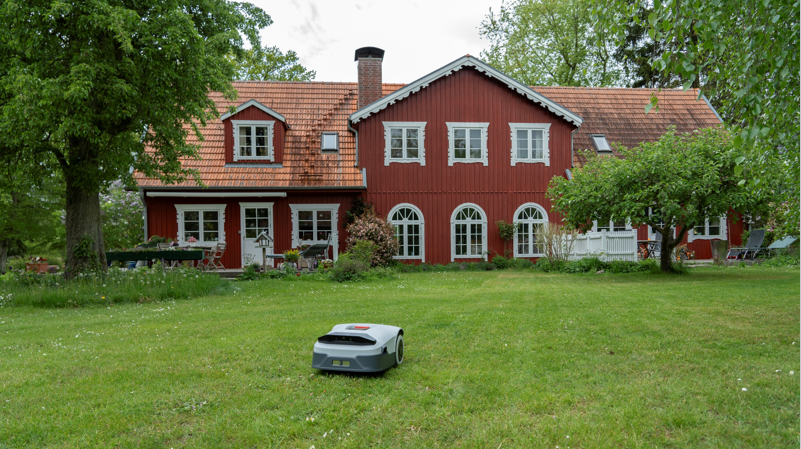
Reclaiming your weekend from the endless chore of lawn maintenance is a highly appealing prospect. Switching to automated lawn care means trading hours of pushing heavy machinery in the summer heat for a perfectly manicured lawn that maintains itself. However, the transition to automation is not as simple as unboxing a device and pressing a button.
To get the most out of your automated helper, your garden needs to be properly prepared. Taking the time to optimize your outdoor space ensures your machine navigates efficiently, avoids getting stuck, and delivers a flawless cut every time. Here is a practical, step-by-step guide to preparing your garden for seamless automation.
Assess Your Lawn’s Layout and Grading
Before introducing any automated equipment to your garden, you must conduct a thorough audit of your terrain. Automated mowers handle diverse landscapes exceptionally well, but they are bound by the laws of physics.
Analyze Your Slopes: Walk your garden and identify the steepest inclines. Most standard automated models can comfortably handle slopes up to a 20% to 25% gradient. If your property features sharp hills, retaining walls, or deep ditches, you need to map these out.
Identify Narrow Passages: Measure the width of the corridors connecting different zones of your garden (for example, the strip of grass between your house and a fence leading from the front to the back garden). Ensure there is at least a 3-foot (roughly 1 meter) clearance for the machine to navigate through without becoming trapped.
Choose Your Navigation Strategy: Wires vs. Wireless
Understanding how your device knows where to go will dictate how you prepare the perimeter of your garden. There are generally two approaches to boundary management:
- Boundary Wires: Traditional automated setups require a low-voltage wire pegged to the ground or buried just beneath the turf. This creates an invisible fence. If you choose this route, you will need to spend an afternoon mapping out the perimeter, ensuring the wire is placed at the manufacturer’s recommended distance from walls and drops to prevent the machine from falling or scraping its chassis.
- Virtual Mapping (RTK/GPS and Vision): Modern technology has largely eliminated the need for physical wires. If your garden has complex layouts with multiple garden beds, tree islands, and intricate hardscaping, investing in an AI lawn mower that utilizes advanced spatial mapping and cameras can save you the grueling task of burying perimeter wires. These systems allow you to set virtual boundaries directly from your smartphone.
Optimize Your Edges and Hardscaping
One of the most common issues beginners face is the “mow margin”—the strip of uncut grass left right up against a fence or wall where the blades cannot safely reach. You can modify your landscaping to minimize or completely eliminate the need for manual edge trimming.
Flush Borders are Your Friend: Take a look at where your grass meets your patio, driveway, or walkways. If the hardscaping is flush with the soil, the mower can simply roll its wheels over the concrete to cut the grass right up to the edge.
Create Mowing Strips: For raised garden beds or fences, consider installing a flat “mowing strip” of paving stones at the base. By creating a flat, 4-to-6-inch brick border around your flower beds, you give the mower’s wheels a place to ride, allowing the blades to reach the very edge of the turf without damaging your plants.
Clear the Deck: Managing Temporary and Permanent Obstacles
Automated equipment is designed to bump into objects, reverse, and redirect. However, relying on physical collisions for navigation is inefficient and can cause wear and tear over time.
Static Obstacles: Map out permanent fixtures like fire pits, thick tree trunks, and swing sets. Depending on your navigation system, you will either need to loop a boundary wire around these objects to create an “island” or mark them as no-go zones in your companion app.
Dynamic Obstacles: Before setting a mowing schedule, you must adopt a habit of clearing the garden. Garden hoses, dog toys, stray branches, and small tools can damage the cutting blades or get tangled in the wheels. When browsing the market for a highly capable robot lawn mower, look for models equipped with ultrasonic sensors or AI-driven cameras that can proactively detect and steer clear of unexpected objects, rather than blindly running into them.
Select the Perfect Location for the Base Station
The charging station is the heart of your automated lawn care system. Placing it correctly is crucial for the longevity and reliability of the device.
- Flat Ground: The base station must sit on entirely level ground. If it is placed on a tilt, the machine will struggle to dock correctly and may fail to charge.
- Power and Protection: The station requires proximity to an outdoor, weather-resistant power outlet (typically a GFCI outlet). Additionally, while these devices are waterproof, placing the dock in a perpetually shaded area—such as under a patio overhang or a large tree—protects the battery from degrading under the intense, direct midday sun.
- Signal Strength: If your device relies on Wi-Fi for updates and app control, or RTK/GPS for navigation, ensure the dock is placed in an area with a strong signal and a clear view of the sky.
Perform the Initial “Reset” Cut
Finally, do not expect your new automated helper to conquer a wildly overgrown jungle. Automated machines are “micro-mulchers.” They are designed to shave mere millimeters off the top of the grass every single day, returning those tiny, nitrogen-rich clippings back to the soil as natural fertilizer.
Before deploying your machine for the first time, use your traditional push mower to cut your lawn down to a standard, manageable height. Once the garden is cleared, the edges are defined, and the grass is trimmed, your automated system can take over to maintain that perfect height indefinitely.
