
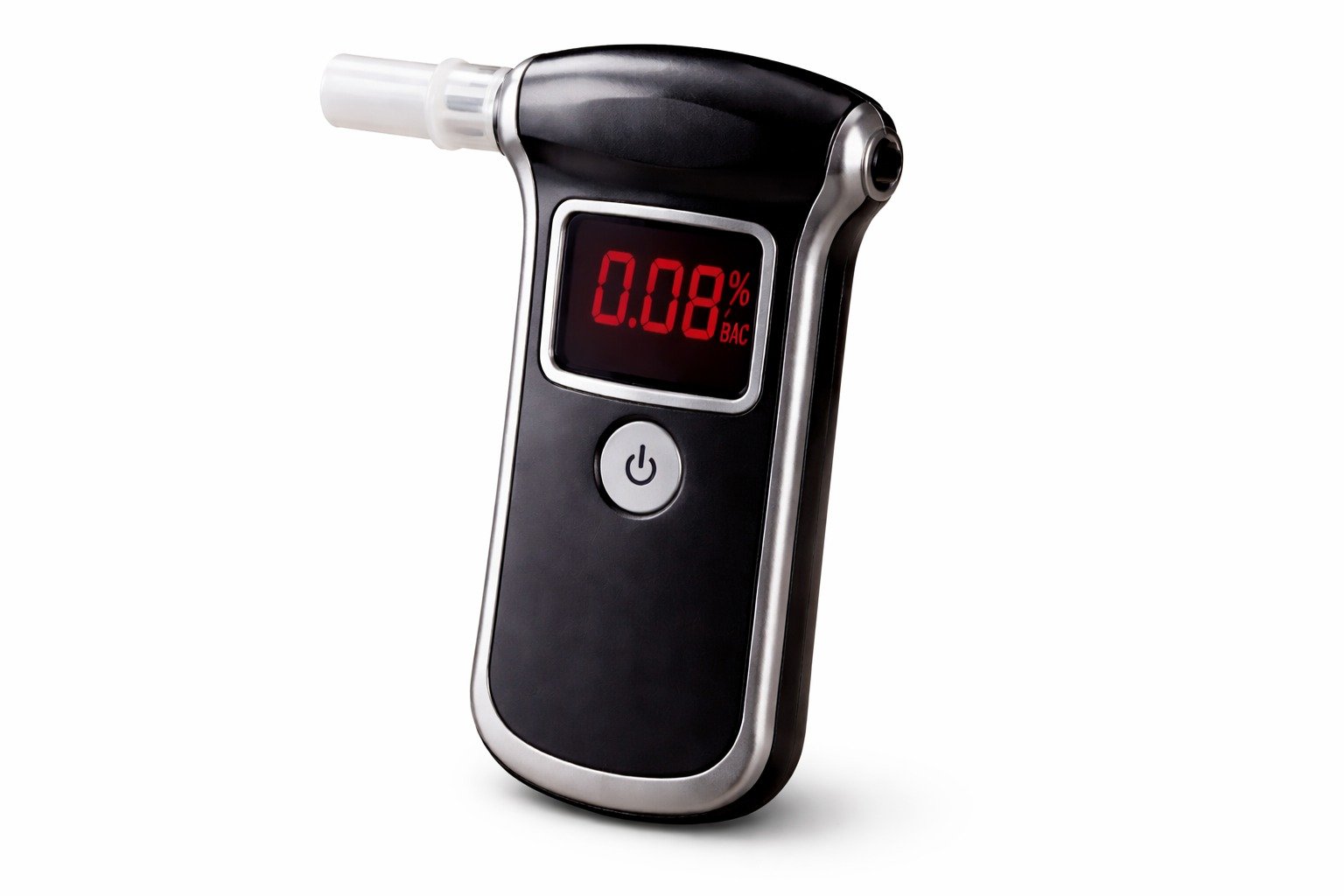
Different breathalysers often show different alcohol readings, leaving many unsure which result to trust. Each device measures alcohol levels in the breath using a specific method, and small variations in these methods can shift the outcome. Different breathalysers give different readings because their sensors, calibration, and testing conditions all influence the measurement of alcohol concentration.
Understanding these differences helps explain why one test may show a higher or lower value than another. The following sections look at the factors behind these results, how certain habits or environments affect accuracy, and what separates one type of device from another.
Calibration Differences Affect Accuracy
Each breathalyser depends on its calibration to measure alcohol levels correctly. Small changes in calibration can cause a device to read slightly higher or lower than it should. This is why both professionals and home users must keep their devices regularly adjusted and tested.
A well-calibrated sensor measures breath alcohol more precisely, while one that drifts over time gives less consistent numbers. Factors such as storage conditions, age, and frequency of use also influence sensor accuracy. Therefore, two testers may give different readings even if used at the same time.
Devices like an easy-to-use digital breathalyser are convenient, but they still rely on proper calibration. Regular maintenance helps keep readings closer to true blood alcohol levels. Each model may require service after a set number of uses or months, depending on its design and sensor type.
Mouth Alcohol Can Skew Results
Breathalysers measure alcohol from deep lung air, but leftover alcohol in the mouth can affect the result. Mouthwash, breath spray, or even certain medications can leave small traces of alcohol that a device might mistake for blood alcohol. This makes the reading appear higher than it truly is.
The effect usually lasts only a few minutes. After that, the alcohol on the surface of the mouth evaporates or dissolves. A person who blows into a device too soon after using such products may register an inflated number that does not reflect their actual blood alcohol level.
Several factors can increase this chance. The alcohol strength of a mouthwash, the amount used, and how long it stays in the mouth all matter. Rinsing the mouth with water and waiting a few minutes before testing often helps reduce this problem and gives a more accurate reading.
Ambient Alcohol Vapour Interferes
Air that contains traces of alcohol can affect how a breathalyser functions. The sensor may detect alcohol molecules from the surrounding air instead of only from a person’s breath. As a result, the reading may appear higher than it should.
This issue often occurs in enclosed spaces such as bars or vehicles where alcohol has recently been consumed. Vapour from spilled drinks, cleaning agents, or hand sanitisers can linger and mix with the sampled air. Even a small amount of ambient vapour can distort results.
Technicians and users can reduce interference by testing in open or ventilated areas. Waiting a few minutes after exposure to alcohol vapour before testing also helps. Regular calibration of the device further limits errors caused by environmental factors.
Breath Volume Variability
The amount of air a person exhales into a breathalyser can strongly affect the result. Each test depends on capturing air from the deep part of the lungs where alcohol levels best match those in the blood. If someone breathes out too lightly or too quickly, the device may read a lower alcohol level than the true value.
Breath volume differs from person to person based on lung size, health, or even how tired someone feels. Differences in breath pressure and timing can also change how much alcohol vapour reaches the sensor. Therefore, two tests taken close together can produce slightly different readings.
Most modern devices try to control for this by requiring a steady flow of air for a few seconds. However, variations still occur, especially with small handheld units. Consistent technique helps reduce these differences, but small shifts in breath effort often remain part of normal measurement variability.
Sensor Technology Divergence
Different breathalysers use various sensor technologies, which explains why results can differ. Some models use semiconductor sensors, while others rely on fuel cell or infrared sensors. Each type measures alcohol in a distinct way, leading to small variations in readings between devices.
Semiconductor sensors are common in personal devices. They detect alcohol by measuring changes in electrical resistance, yet they may react to substances other than alcohol. As a result, these sensors can show less consistent accuracy under certain conditions.
Fuel cell sensors, often used in police and professional models, work by producing an electrical current that rises in proportion to the alcohol level in a breath sample. These sensors give more stable and precise readings. Infrared sensors, used in some advanced systems, measure how alcohol absorbs light at certain wavelengths.
Differences in technology, along with the quality of calibration, help explain why one breathalyser might record a higher or lower reading than another.
Conclusion
Different breathalysers give varied alcohol readings because each model uses its own sensor type and calibration method. Fuel cell sensors tend to measure more precisely, while semiconductor types often cost less but can drift over time. Therefore, the technology behind the device directly affects the accuracy of the results.
Environmental and personal factors also influence readings. Temperature, air quality, and residual alcohol in the mouth can lead to higher or lower numbers. Users who eat, smoke, or use mouthwash shortly before a test may notice inconsistent results.
To improve accuracy, users should follow the device’s instructions closely and allow adequate time after drinking before testing. Regular maintenance and recalibration also help keep results consistent.
In summary, breathalyser readings depend on sensor quality, calibration, and test conditions. Understanding these influences allows people to interpret their results more responsibly and make safer decisions.
Your May Also Read: Best moving company for your Norway European Relocation
