
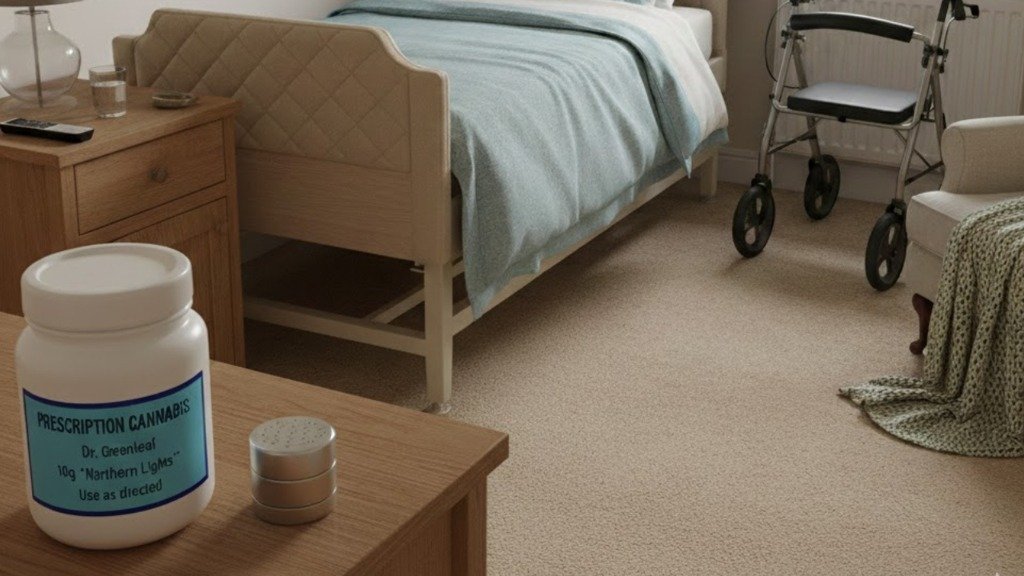
Multiple sclerosis (MS) is a chronic autoimmune condition that affects the nerves and the brain. This degenerative disease has no known cure. It causes muscle spasticity, neuropathic pain, bladder dysfunction and sleep disturbance, among other symptoms. There are an estimated 150,000 people living with MS in the UK, and symptoms can severely impact day to day activities and quality of life. However, over the past few years legal medical cannabis has emerged as a way of managing symptoms and finding relief. So, how does it work and what does the research say?
The strongest evidence for medical cannabis in treating MS symptoms is for neurological pain and muscle spasms, or spasticity. Although medical cannabis is often said to need more randomised trials for some of its therapeutic applications, there is solid evidence in this area. Other areas of interest include long-term treatment of chronic pain and lessening sleep disturbance. Although prescribed medical cannabis is not a cure for MS, it is increasingly shown to have holistic painkilling effects that can improve patients quality of life. This is what you need to know about it.
Cannabis’ Effects of Spasticity and Pain Are Increasingly Well Studied
Involuntary muscle spasms, stiffness and pain is a common debilitating symptom for MS patients. Compounds found in the cannabis plant – cannabinoids such as THC and CBD – are understood to have analgesic (painkilling), anti-inflammatory and antispastic effects. Which is already promising. However, before treatment could be reccomended studies had to be done specifically in MS patients.
Multiple meta studies (studies of studies) involving thousands of patients in randomised control trials have shown that medical cannabis therapies are associated with patient-reported improvements in pain and spasticity.
For British patients looking into medical cannabis for MS, a licensed private clinic is the only way to go. Qualified clinicians will guide you through the process from eligibility and initial consultation to delivery of the prescription and follow up care. Along the way they will be happy to answer any questions or concerns you may have about treatment.
The THC-based pharmaceutical spray Sativex is one of two cannabis medicines licensed for prescription on the NHS, although they do so very rarely. However, in some other countries globally it is licensed for use in treating MS-related muscle spasticity.
Although not all studies were conclusive in placebo-controlled trials, one meta-analysis in 2022 found that patient-reported outcomes were significantly improved in more than half of the trials studied. The researchers concluded with moderate confidence that cannabis medicines improved quantified muscle spasticity and patient-reported well-being in people with MS.
Quality of Life, Sleep and Other Symptoms
Medical cannabis and sleep is it’s own area of study. However, disturbed sleep due to chronic pain is a common and debilitating symptom of MS. Not getting enough sleep (insomnia) is proven to be damaging for general health outcomes in most people. Although the precise implications for MS are not clear lack of sleep is known to increase severity of other autoimmune conditions and can even cause them to begin with.
Although interactions require further study, cannabis has been shown to be at least a short-term sleep aid in both clinical trials and analyses of patient-reported data sets. The evidence on long term sleep quality is unclear, but many studies shown that cannabis medications can decrease sleep latency (time to fall asleep) and reduce frequency of disturbed sleep. Especially in patients with chronic pain.
Interestingly sleep, seemingly more so than pain, is one area of medical cannabis treatment that is very dose dependent for maximum efficacy. This is one of the many reasons why medical cannabis in the UK is only prescribed by qualified doctors at licensed clinics, and with customised treatment plans for each patient. Different conditions can require different forms of medicine, dosages and treatment schedules, which need formulating by a healthcare professional.
The Pharmacology of Cannabis for MS
Multiple sclerosis involves immune-mediated inflammation that damages neurons in the brain and spinal cord. The body’s endocannabinoid system is a key regulator of the nervous system, and the cannabinoid compounds in cannabis work with the ECS in various ways.
CB1 receptors, that are mostly aligned with THC are linked to muscle control, among other things. CB2 receptors in the body are mostly aligned with immune cells, and the theory is CBD works with them to control inflammatory responses.
Because CBD, THC and other cannabinoids – or combinations thereof – can have slightly different effects, finding cannabis clinics that offer the exact type of medication that suits treatment for your condition or symptoms is important. To this end, comparison sites and expert reviews are an important resource. They assess clinics’ offerings across their services, for prospective patients to browse all in one place.
Although cannabis and ECS modulation is mostly linked to the symptoms of MS, some research is ongoing into the role of the endocannabinoid system in causing autoimmune conditions and MS. These studies are at early laboratory stages, but could prove useful in future treatments.
