
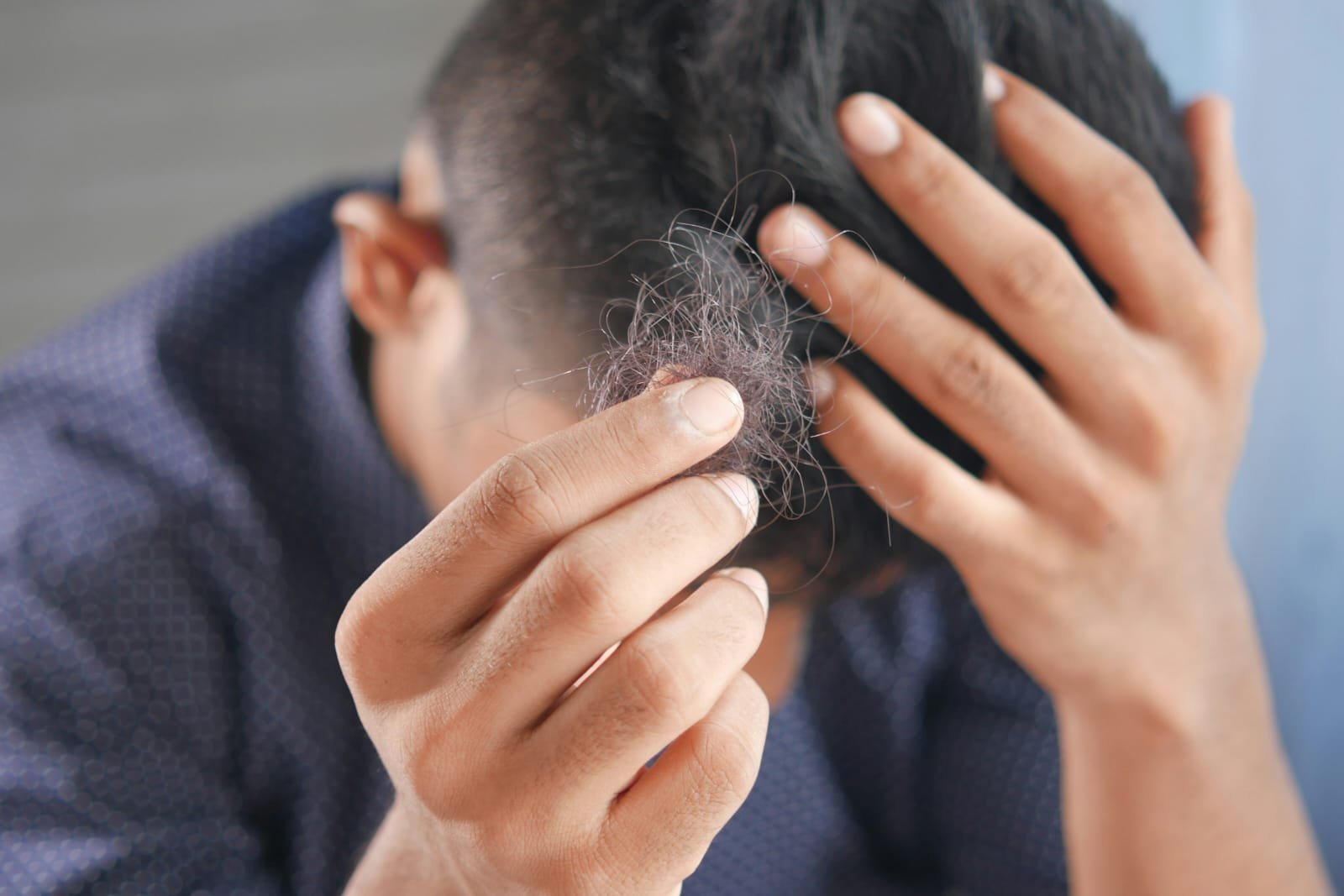
Hair loss affects a large proportion of men and is most commonly linked to androgenetic alopecia, also known as male pattern hair loss. The Australasian College of Dermatologists explains that this condition occurs when hair follicles gradually shrink due to sensitivity to dihydrotestosterone (DHT), a hormone derived from testosterone. As follicles miniaturise, the hair strands they produce become thinner and shorter over time.
Early recognition of thinning hair can influence outcomes. Many men begin exploring a male hair loss treatment once they notice changes such as a receding hairline or reduced density around the crown. Because the condition typically progresses slowly, understanding available options helps men respond early and preserve existing hair.
Modern solutions include medical therapies, surgical restoration procedures, and non-surgical cosmetic approaches. Each method addresses hair loss differently and suits different stages of thinning. Learning how these approaches work allows individuals to choose a treatment that aligns with their goals and lifestyle.
Male hair loss treatment options generally fall into three categories:
- Medical therapies that slow hair loss and support regrowth
- Surgical procedures that restore hair density
- Non-surgical cosmetic solutions that improve appearance
For a detailed overview, understanding male hair loss treatment options can help guide informed decisions.
Understanding Male Hair Loss and Why Treatment Timing Matters
Male pattern hair loss usually follows a predictable pattern. Hair thinning often begins at the temples or crown before progressing across the scalp. According to the Australasian College of Dermatologists, the process occurs gradually as hair follicles shrink during repeated growth cycles.
The earlier treatment begins, the greater the likelihood of maintaining existing hair density. Hair follicles that remain active can often respond to therapy, whereas follicles that have stopped producing hair are harder to restore.
Other factors can also contribute to hair shedding. Nutritional deficiencies, severe illness, medication use, and scalp conditions may cause temporary hair loss. The Australian Institute of Health and Welfare notes that overall health and hormonal balance influence hair growth patterns.
Identifying the underlying cause is an important step when considering any treatment plan.
Medical Therapies Used for Male Hair Loss Treatment
Medical therapy is frequently recommended when hair thinning is identified early. Dermatology guidelines recognise two commonly prescribed treatments for androgenetic alopecia: minoxidil and finasteride.
Topical minoxidil is applied directly to the scalp. Research published in the Journal of the American Academy of Dermatology shows that it can extend the hair growth phase and improve hair density for some individuals when used consistently.
Finasteride is an oral medication that reduces dihydrotestosterone levels. By lowering DHT activity, the medication slows the miniaturisation of hair follicles. The American Academy of Dermatology reports that finasteride can reduce further hair loss and support regrowth in certain cases.
Both medications require consistent use to maintain results. A medical consultation is recommended before starting any prescription-based treatment.
Hair Transplant Surgery for Hair Restoration
Hair transplant procedures are a surgical approach used to restore hair in areas where follicles are no longer active. The treatment involves relocating healthy follicles from donor areas, typically the back or sides of the scalp, into thinning regions.
Two primary surgical techniques are used. Follicular Unit Transplantation (FUT) removes a small strip of scalp containing hair follicles, which are then divided into grafts before being implanted. Follicular Unit Extraction (FUE) removes individual follicular units directly from the scalp before transplanting them.
The International Society of Hair Restoration Surgery explains that modern transplant procedures focus on recreating natural hair direction and density. When planned carefully, this male hair loss treatment can produce long-lasting results that integrate with existing hair growth.
Suitability for surgery depends on several factors, including donor hair availability, hair loss pattern, and overall scalp health.
Non-Surgical Hair Replacement Systems
Non-surgical hair systems provide a cosmetic solution that restores the appearance of fuller hair without medical treatment or surgery. These systems are designed to integrate with natural hair and replicate realistic growth patterns.
Modern hair replacement systems are customised to match colour, density, and hair texture. Lightweight base materials allow the system to sit comfortably on the scalp while remaining discreet. Professional fitting ensures the system blends naturally with surrounding hair.
For men seeking immediate improvement in appearance, these systems offer a practical male hair loss treatment option. Maintenance appointments and proper care help preserve a natural result over time.
Scalp Health and Lifestyle Factors
Hair health is influenced by scalp condition and overall wellbeing. Maintaining a healthy scalp environment supports normal hair growth cycles and helps reduce excessive shedding.
Adequate nutrition plays an important role in maintaining hair structure. Protein, iron, zinc, and essential vitamins contribute to healthy follicle function. Deficiencies in these nutrients may weaken hair strands or increase shedding.
Dermatology research has also shown that prolonged physical or emotional stress can disrupt the hair growth cycle. Stress management, a balanced diet, and gentle hair care practices support the effectiveness of a broader hair loss treatment strategy.
Although lifestyle factors alone cannot reverse genetic hair loss, they can improve overall scalp health and support existing treatments.
Conclusion
Male hair loss is common and usually develops gradually. Understanding the cause of hair thinning is the first step toward choosing an appropriate response. Dermatology organisations recognise androgenetic alopecia as the leading cause of hair loss in men, although health conditions and lifestyle factors may also contribute.
Several approaches can address thinning hair. Medical therapies such as minoxidil and finasteride aim to slow progression and support regrowth. Hair transplant procedures redistribute healthy follicles to thinning areas. Non-surgical hair systems restore the appearance of hair density without medical intervention.
Selecting the right male hair loss treatment depends on individual goals, stage of hair loss, and personal preferences. Early assessment and informed decision-making allow many men to manage hair loss effectively and maintain a natural appearance.
