
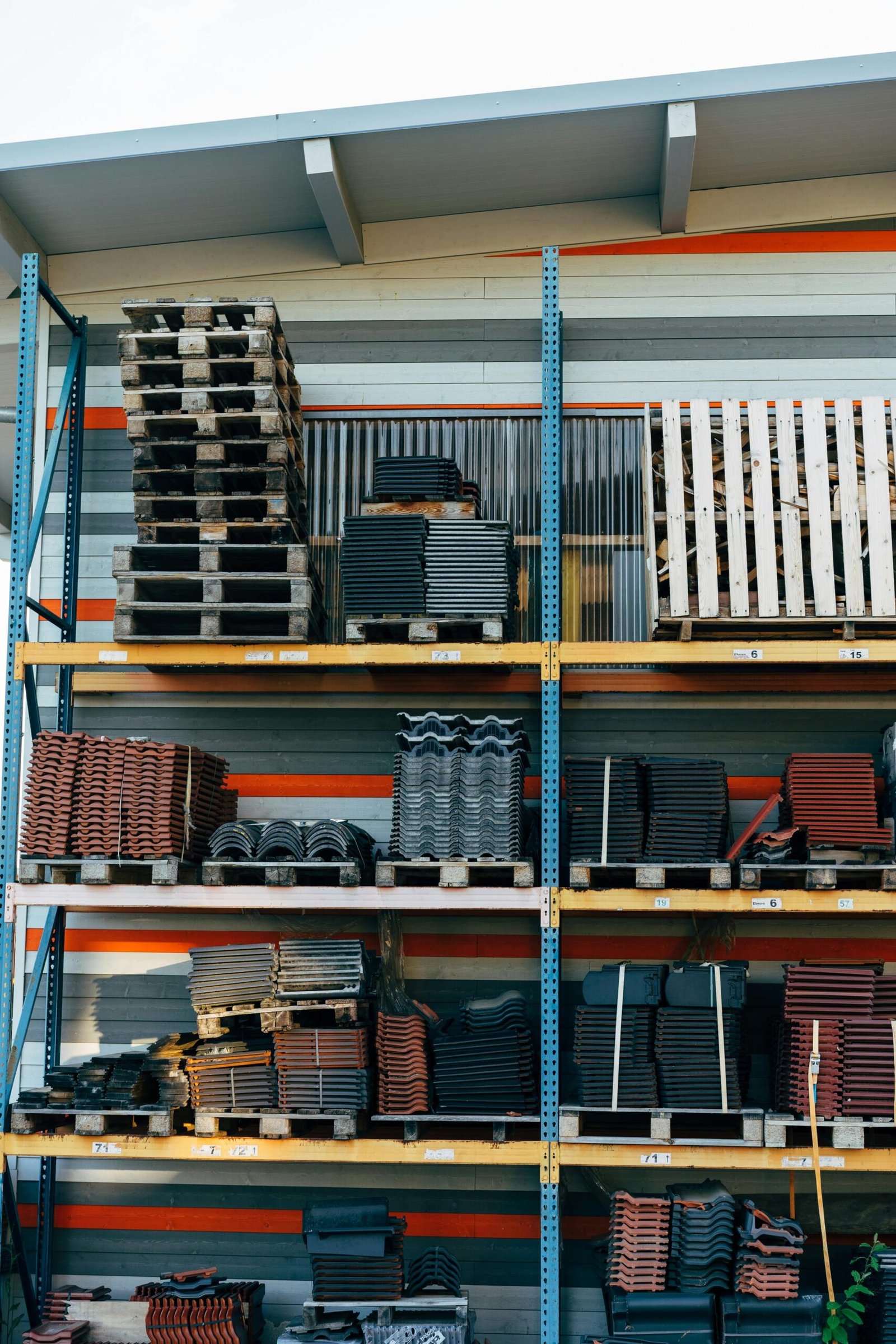
Warehouse racking is a structural system that carries significant weight every day. When it is properly designed, installed, and maintained, it provides safe and reliable storage. When it is neglected, damaged, or misused, it can become a serious risk to people, stock, and equipment. Racking safety should therefore be treated as an ongoing operational responsibility rather than a one time compliance task. In the UK, warehouse operators have clear legal duties when it comes to workplace safety. Racking failures can lead to severe injuries, fatalities, and major business disruption. Many incidents are preventable when systems are inspected regularly and issues are dealt with early.
Why Racking Safety Deserves Ongoing Attention
Racking systems are exposed to constant pressure in busy warehouse environments. Forklift impacts, pallet misalignment, overloading, and repeated use all contribute to wear over time. Damage is not always obvious, and small defects can quickly worsen if left unattended.
Unlike many other warehouse assets, racking often remains in place for years. During that time, stock profiles change, pallet weights increase, and handling methods evolve. A system that was safe at installation may no longer be suitable if it has not been reviewed or adjusted.
Common Causes of Racking Damage
Forklift impacts are one of the most common causes of racking damage. Uprights at ground level are particularly vulnerable, especially in narrow aisles or high traffic areas. Even low speed contact can weaken steel components and compromise load bearing capacity.
Overloading is another frequent issue. When pallets exceed the rated capacity of beams or bays, stress builds within the structure. This may not result in immediate failure but increases the risk of collapse over time. Missing locking pins, damaged base plates, and poor floor fixings also contribute to unsafe conditions.
Legal Responsibilities for UK Warehouse Operators
Under the Health and Safety at Work Act 1974, employers must provide a safe working environment and take reasonable steps to protect employees and visitors. This includes ensuring that racking systems are suitable for their intended use and maintained in a safe condition.
Guidance from the Health and Safety Executive makes it clear that racking should be inspected regularly and that damage should be assessed and managed appropriately. Failure to do so can result in enforcement notices, fines, or prosecution, particularly if an incident occurs and maintenance records are inadequate.
Daily and Weekly Racking Checks
Routine checks carried out by warehouse staff form the first line of defence against racking failure. These checks do not require specialist equipment but should be carried out by individuals who understand what damage looks like and why it matters.
Visual inspections should focus on uprights, beams, connectors, and floor fixings. Any signs of bending, cracking, or missing components should be reported immediately. Clear procedures should be in place so that damaged racking can be isolated and loads removed without delay.
The Importance of Professional Inspections
In addition to internal checks, UK best practice recommends that racking systems are inspected by a competent external inspector at least once every twelve months. These inspections provide an independent assessment of structural condition and compliance.
A professional SARI racking inspection identifies damage levels, highlights areas of concern, and provides clear recommendations for action. This type of inspection is particularly valuable in busy warehouses where damage may be difficult to spot during routine operations.
Understanding Damage Classification and Risk Levels
Racking damage is often categorised using a traffic light system. Green indicates acceptable condition, amber highlights damage that requires monitoring or repair within a defined timeframe, and red indicates serious damage requiring immediate action.
Understanding these classifications helps warehouse teams respond appropriately. Red risk damage should result in immediate offloading and isolation of the affected area. Amber damage should be managed according to a planned repair schedule and closely monitored for deterioration.
Training and Awareness on the Warehouse Floor
Staff training plays a key role in maintaining racking safety. Forklift operators should be trained to position pallets correctly, avoid contact with uprights, and respect load limits. Warehouse staff should also be encouraged to report damage without fear of blame.
Clear signage showing maximum load capacities, bay configurations, and safe working practices supports consistent behaviour. When staff understand why racking safety matters, they are more likely to follow procedures and report issues promptly.
Managing Repairs and Modifications Safely
Repairs should always be carried out using components that match the original specification. Mixing systems or using incompatible parts can weaken the structure and invalidate load ratings. Temporary fixes should be avoided, particularly in load bearing areas.
Any modifications to racking layout, beam height, or load type should be reviewed before changes are made. Increasing pallet weight or changing handling equipment without reassessing racking suitability introduces unnecessary risk.
Keeping Records and Demonstrating Compliance
Documented inspections and maintenance records are essential. These records demonstrate that racking safety is being actively managed and provide evidence of compliance in the event of an audit or incident investigation.
Inspection reports, repair logs, and staff training records should be kept up to date and easily accessible. A clear paper trail supports better decision making and shows that safety responsibilities are taken seriously.
Racking Safety as an Ongoing Process
Racking safety is not a one off task completed at installation. It requires regular monitoring, informed staff, and timely professional input. As warehouse operations change, racking systems must be reviewed to ensure they remain fit for purpose.
A structured approach to inspections, training, and maintenance reduces the likelihood of incidents and helps create a safer working environment for everyone on site.
Your May Also Read: Best moving company for your Norway European Relocation
