
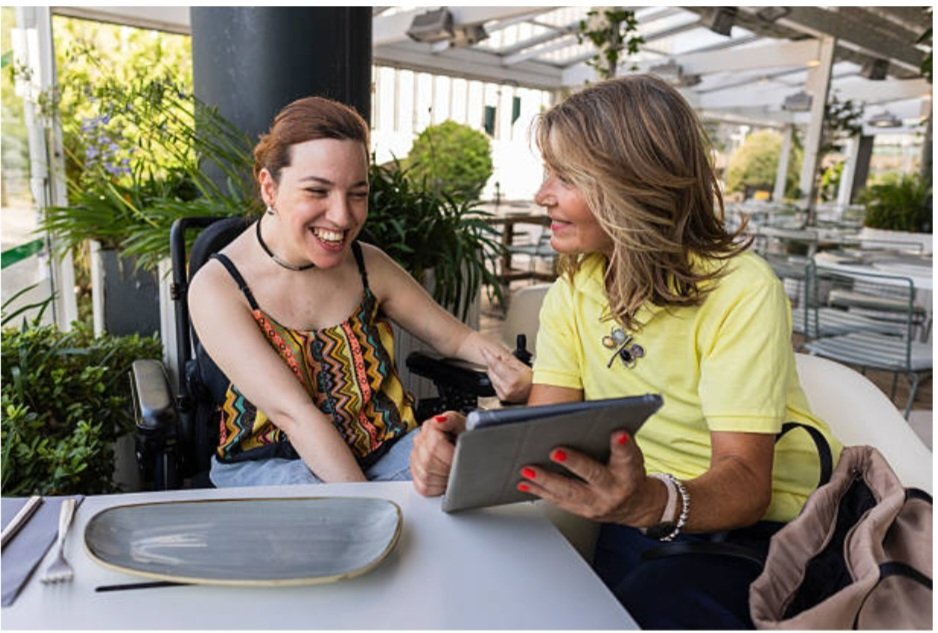
Neurological movement conditions are disorders that affect how the brain and nervous system control movement, posture, and coordination. These conditions can be present from birth or develop later in life due to injury or illness. One of the most widely recognized examples is cerebral palsy, which highlights how neurological differences can influence daily functioning in complex and individual ways. Understanding these conditions is essential for building awareness, reducing stigma, and supporting people in everyday life.
What Are Neurological Movement Conditions?
Neurological movement conditions occur when the brain has difficulty sending or processing signals that control muscles. This can result in stiffness, involuntary movements, weakness, or challenges with balance and coordination. These conditions are not contagious and are often lifelong, though their effects may change over time. Cerebral palsy is one such condition, typically caused by early brain development differences, but many other neurological conditions share similar movement-related challenges.
The impact of these conditions varies widely. Some people may experience mild difficulties that are barely noticeable, while others may require significant support. Importantly, neurological movement conditions affect movement, not intelligence, although some individuals may have additional cognitive or sensory differences.
How Movement Differences Affect Daily Activities
Everyday tasks often rely on fine and gross motor skills, from walking and dressing to writing and using technology. Neurological movement conditions can make these activities more time-consuming or physically demanding. For individuals with cerebral palsy, muscle stiffness or involuntary movements may affect how easily they can perform routine actions, requiring adapted techniques or assistive tools.
Fatigue is another common factor. Using more energy to complete physical tasks can lead to tiredness, which may limit how much someone can do in a day. This can influence school, work, and social participation, making pacing and rest important aspects of daily life.
Communication and Social Interaction
Movement conditions can also affect communication. Speech may be impacted if the muscles involved in speaking are affected. This does not reflect a person’s ability to think or understand, but it can influence how others perceive them. In the case of cerebral palsy, some individuals use alternative communication methods to express themselves clearly and confidently.
Social interaction can be shaped by physical differences and public attitudes. Misunderstandings or lack of awareness can create barriers, even when no physical obstacle exists. Supportive environments and patient communication help ensure people are included and respected in conversations and social settings.
Emotional and Psychological Impact
Living with a neurological movement condition can influence emotional wellbeing. Frustration may arise when tasks take longer or when environments are inaccessible. People with cerebral palsy and similar conditions may also face social stigma, which can affect self-esteem and confidence if not addressed.
Positive support systems play a crucial role in emotional health. Encouragement, understanding, and opportunities to participate meaningfully in life can help individuals build resilience. Mental wellbeing is just as important as physical support when considering overall quality of life.
Education, Work, and Independence
Access to education and employment can be shaped by how well systems accommodate movement differences. Flexible learning environments, assistive tools, and inclusive policies allow individuals to demonstrate their abilities. Many people with cerebral palsy successfully pursue education and careers when given appropriate support and understanding.
Independence looks different for everyone. Some people may need physical assistance, while others benefit from environmental adaptations. Independence is not about doing everything alone, but about having choice, control, and the ability to participate in decisions that affect daily life.
The Role of Support and Adaptation
Support from family, carers, professionals, and communities makes a significant difference. Adaptations such as accessible transport, supportive technology, and flexible routines can reduce barriers. For individuals with cerebral palsy, early intervention and ongoing support often help maximize mobility and participation over time.
Equally important is societal adaptation. When public spaces, services, and attitudes are inclusive, people with neurological movement conditions can engage more fully in their communities. Inclusion benefits everyone by promoting diversity and understanding.
Living With a Neurological Movement Condition Over Time
Neurological movement conditions are not static. Physical abilities, support needs, and personal goals may change throughout life. Someone with cerebral palsy may experience different challenges in childhood, adulthood, and later life. Planning and adaptable support help individuals navigate these transitions while maintaining quality of life.
Awareness and education continue to be key. When people understand how neurological movement conditions affect daily life, they are better equipped to offer meaningful support and reduce unnecessary barriers.
Conclusion
Neurological movement conditions influence how people move, communicate, and interact with the world, but they do not define a person’s potential. Conditions such as cerebral palsy show how varied and individual these experiences can be. With understanding, inclusive environments, and adaptable support, people with neurological movement conditions can lead fulfilling lives, participate actively in their communities, and maintain dignity, independence, and personal choice.
