
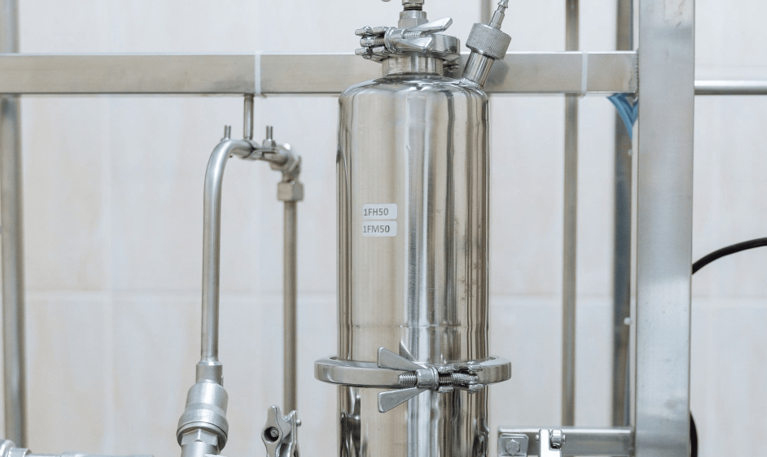
An air and dirt separator does some of the most valuable work in a heating or chilled water plant room – quietly, continuously and without much attention. But its effectiveness depends almost entirely on being installed in the right location, commissioned correctly and maintained on a sensible schedule. Neglect any one of those three things and the separator underperforms; the system accumulates air and dirt contamination regardless of what’s fitted to the pipework. This guide covers the full process from product selection through to long-term maintenance, in practical terms that are useful on site.
Water quality problems are behind a surprising proportion of heating system failures – and many of them are preventable. Air and dirt separators for heating systems are designed to address two of the most common contaminants simultaneously: dissolved air and microbubbles that cause noise and corrosion, and suspended dirt particles that accumulate as sludge and reduce heat transfer. The Elterm range available from Culm Stores covers systems from 37kW domestic units to 365kW flanged commercial separators – but the installation and maintenance principles apply across the range.
What a combined air and dirt separator does
Before getting into the installation steps, it’s worth being clear about what the separator is actually doing. The air separation function removes microbubbles and dissolved gases – primarily oxygen and nitrogen – that enter through system filling, makeup water and component replacements. Dissolved oxygen drives internal corrosion; microbubbles cause audible noise and airlocks. The dirt separation function captures suspended particles: magnetite, scale fragments, installation debris and other contaminants. In units with an integrated magnetic filter element – standard across the Elterm range – fine iron oxide particles are captured by the magnet before they can circulate to heat exchangers and pump components.
The two functions work together: air bubbles carry dirt particles; removing air simultaneously reduces the dirt load on the separation chamber.
Selecting the right separator
Get the selection right before you order. Key criteria:
- kW rating: match to the system’s maximum heat output; undersizing reduces separation efficiency and may cause pressure drop issues.
- Connection size: options typically range from 1″ BSP (domestic, up to ~37kW) through 1¼”, 1½” and 2″ BSP to 2½” and 3″ flanged for large commercial systems; match to existing pipework.
- Insulation: factory-fitted insulation is worth specifying as standard – it reduces heat loss from the separator body and prevents condensation on chilled water circuits.
- Magnetic element: strongly recommended for any system with steel pipework; the magnetic element captures fine magnetite particles that a standard mesh or gravity separator would miss.
- Automatic air vent: confirm the unit includes a float-type automatic vent for continuous air release without manual intervention.
- Removable dirt pot: check the dirt collection chamber can be accessed and cleaned without draining the system – a practical detail that determines whether maintenance actually happens on schedule.
Tools and materials checklist
- Pipe cutter or hacksaw (appropriate to pipe material)
- PTFE tape and jointing compound
- Adjustable spanners and pipe grips
- Isolation valves (two – one either side of the separator)
- Drain hose and bucket
- System pressure gauge
- Inhibitor (for dosing after commissioning)
- Commissioning record sheet
Where to install: correct positioning
Position matters as much as product selection. The separator should be installed on the flow pipe, as close to the heat source as practicable. This is where water temperature is highest and dissolved gas release is most active – which is exactly where you want the separation to occur. Installing on the return pipe is a common mistake; it reduces air separation efficiency because cooler water holds more dissolved gas and releases it less readily.
Practical positioning guidelines:
- Install on the flow pipe, immediately downstream of the boiler or heat source outlet.
- Keep the unit upright – most separators are designed for vertical installation with the automatic air vent at the top; check manufacturer guidance for horizontal variants.
- Leave sufficient clearance above the unit for the automatic vent to operate freely and for the magnetic element to be removed during servicing.
- Fit isolation valves either side as standard – this allows the separator to be serviced without draining the system.
- On chilled water circuits, ensure the separator and connecting pipework are fully insulated to prevent condensation and heat gain.
Step-by-step installation guide
- Isolate the boiler or heat source and allow the system to cool to a safe working temperature.
- Drain down the section of flow pipework where the separator will be installed; use a drain cock if available and have a bucket and hose ready.
- Cut the flow pipe at the chosen location; ensure square, clean cuts and deburr pipe ends.
- Fit isolation valves either side of the intended separator position.
- Apply PTFE tape or appropriate jointing compound to the separator connections; hand-tighten and then spanner-tighten to the manufacturer’s recommended torque.
- Confirm the flow direction arrow on the separator body aligns with the direction of water flow in the system.
- Check the automatic air vent at the top of the unit is unobstructed and correctly fitted.
- Slowly open the isolation valves and refill the system; check all connections for leaks under static pressure before restoring full system pressure.
- Vent radiators and top up system pressure to the manufacturer’s recommended level.
- Restore power to the heat source and run the system through a full heating cycle.
- Re-check all connections for weeping joints once the system is at operating temperature.
- Dose the system with a quality corrosion inhibitor at the correct concentration for system volume.
Commissioning checks
Once the system is running, work through the following before signing off the installation:
- Verify system pressure is stable and within the recommended operating range.
- Confirm there are no leaks at the separator connections, isolation valves or automatic vent.
- Check that flow rates through the primary circuit are unaffected – a correctly sized separator adds negligible resistance.
- Operate the automatic air vent manually (if it has a manual override) to confirm it is functioning; listen for air release during the first heating cycle.
- Record the installation details: separator model and kW rating, connection sizes, system volume, inhibitor product and concentration dosed. This baseline is invaluable at the first service visit.
Maintenance schedule
An air and dirt separator is low-maintenance but not zero-maintenance. A sensible schedule for most installations:
- Three to six months after commissioning: first inspection – clean the magnetic element, drain and inspect the dirt pot, check the automatic vent. New systems often release a significant amount of installation debris and initial magnetite in the first months of operation.
- Annually thereafter: repeat the above; note the volume and character of collected material; check seals and connections for wear.
- Chilled water systems: inspect more frequently – every three to four months – as these systems are more prone to microbiological growth and dissolved gas release.
Step-by-step maintenance procedure
- Isolate the separator using the isolation valves fitted either side; do not drain the system.
- Place a suitable container beneath the dirt pot drain point.
- Open the drain valve on the dirt collection chamber and allow the contents to drain fully; note the volume and colour of the collected material.
- Once drained, remove the magnetic element according to the manufacturer’s instructions – typically by unscrewing the end cap and withdrawing the magnetic rod.
- Wipe the magnetic element clean using a dry cloth or paper towel; do not use solvents unless specified by the manufacturer.
- Inspect the element for damage; replace if the magnet has weakened or the housing is cracked.
- Reassemble the dirt pot and refit the magnetic element; ensure all seals are correctly seated and replace O-rings if showing signs of compression set or wear.
- Close the drain valve and slowly open the isolation valves to repressurise the separator.
- Check for leaks at the dirt pot connections and drain valve.
- Log the maintenance: date, volume and colour of collected material, condition of magnetic element, any components replaced.
What the dirt tells you
The material collected in the dirt pot is more informative than it might appear. A small amount of fine black magnetite at an annual service on a well-maintained system is normal and indicates the separator is working as intended. A large quantity of coarse black sludge suggests either a heavily contaminated system that needs flushing, or inadequate inhibitor concentration allowing accelerated corrosion. Brown or orange material indicates rust from ferrous pipework – common in older systems or those with frequent makeup water additions. Pale grey or white deposits may suggest scale or non-ferrous corrosion. Any significant change in the volume or character of collected material between services is worth investigating before it becomes a component failure.
Common installation and maintenance mistakes
- Installing on the return pipe rather than the flow pipe – reduces air separation efficiency significantly.
- Omitting isolation valves – makes servicing impractical and means the separator gets neglected.
- Incorrect orientation – fitting a vertical-design separator horizontally reduces both air and dirt separation performance.
- Skipping inhibitor dosing at commissioning – the separator captures particles but does not prevent the corrosion that produces them.
- Neglecting the automatic air vent – a seized or blocked float vent prevents continuous air release and defeats part of the separator’s function.
- Not logging service findings – without a record of collected material volumes, trends are invisible and early warning signs are missed.
