
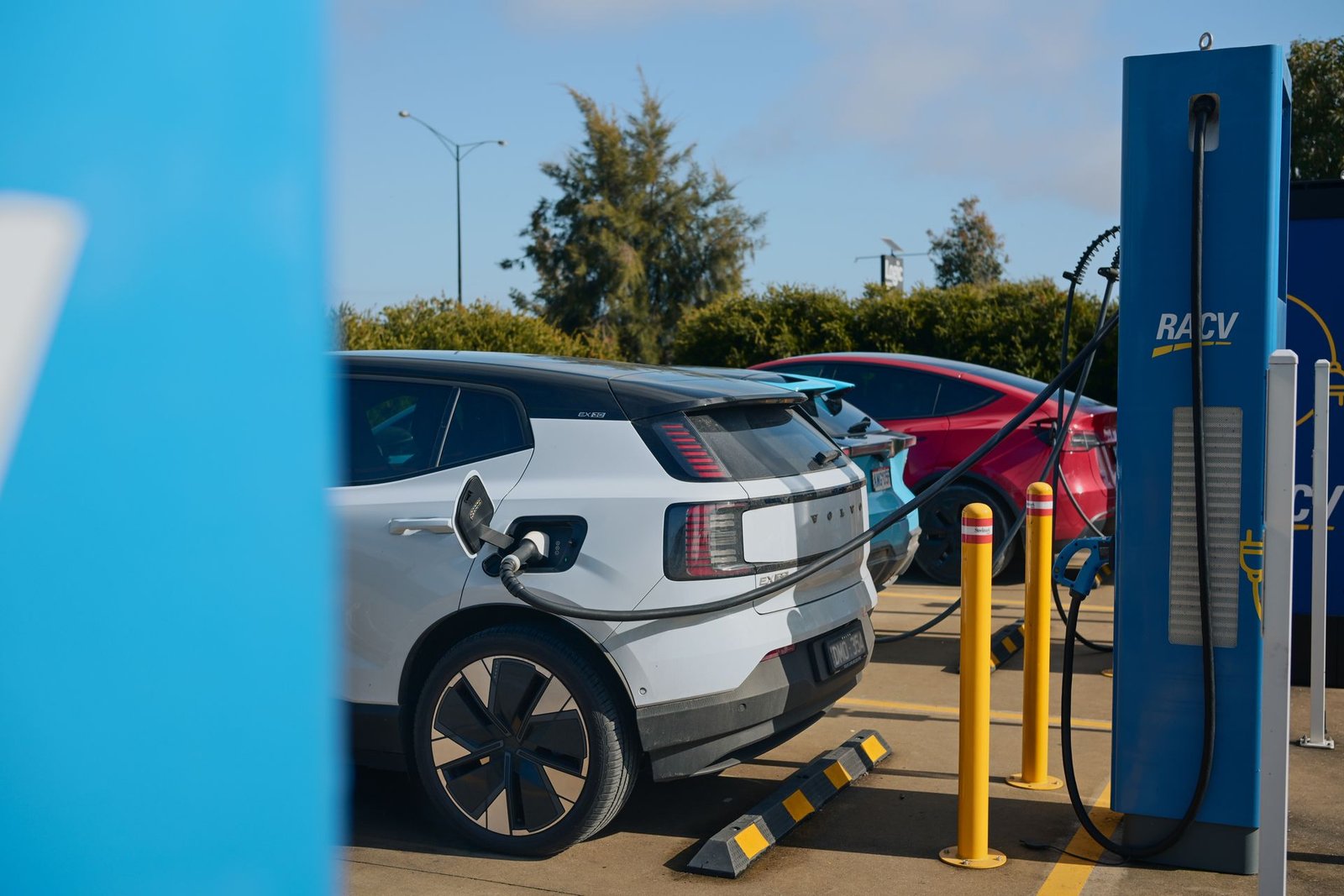
Electric vehicles have kind of slipped into normal life without much drama. One day they were “the new thing people were talking about,” and now they’re just… there. Parked outside houses, sitting in office car parks, charging while someone is shopping, or quietly waiting in a driveway overnight.
What’s interesting is that the cars are only half the story. The bigger shift is everything around them slowly adjusting to keep up such as homes, streets, buildings, and even the way electricity flows through a neighbourhood. It doesn’t feel like a big switch. It feels more like everyday systems quietly learning new habits.
When Electricity Starts Feeling a Bit More “Stretched”
Electricity used to follow a fairly predictable rhythm. Mornings were busy, afternoons steady, nights relatively calm. Now that rhythm is starting to wobble a little.
A lot of EVs get plugged in at the same time usually when people get home. Dinner time, TV time, phone-charging time… and now car-charging time too. That one habit change is enough to create new pressure on local grids.
Instead of tearing everything down and starting again, utilities are mostly patching and upgrading what already exists. Stronger transformers in certain neighbourhoods. Better monitoring systems. Smarter meters that quietly track when demand is rising so it can be managed before it becomes a problem. The International Energy Agency has been pointing out how quickly this shift is happening, especially compared to how slowly grids were originally designed to change.
Another piece that doesn’t get much attention is storage. Batteries big and small are being used to “soak up” electricity when demand is low and release it later when everyone plugs in at once. It’s a bit like smoothing out the peaks so the system doesn’t feel overloaded.
Streets Are Changing Without Really Announcing It
Cities rarely change in a dramatic way. You don’t wake up and see a completely new system. It’s more like small additions that slowly shift how things work. Fuel stations are still there, of course, but they’re no longer the only important point in the energy map. Charging is now showing up in places that were never designed for it in the first place. Apartment streets. Supermarket car parks. Office basements. Even roadside parking spaces that used to be purely temporary stops are now becoming part of the charging network.
In tighter urban areas, this is where things get interesting. Not everyone has a driveway, so curbside charging is filling that gap. Lamp posts getting chargers attached to them. Parking bays quietly converted. It now changes who can realistically own and run an EV in the first place.
Retail spaces are also shifting in a subtle way. Parking is no longer just about quick turnover. Cars are staying longer because charging takes time, and that changes how those spaces feel. Someone shops, eats, sits down with a coffee, checks emails and the car is just slowly charging in the background. Developers are starting to see charging not as an add-on, but as something that influences how people choose where to go in the first place.
Workplaces Are Becoming Part of the Energy Picture
Charging at work used to feel like a bonus feature. Something nice to have. That’s slowly changing. More office buildings are now designing charging into projects from the start, since it directly affects how electricity is managed across an entire building, especially when multiple vehicles need power at the same time and the system has to balance that demand with lighting, heating, and other essential services.
So buildings are quietly becoming a bit more “aware” of their own energy use, balancing things in real time instead of running everything at full power all the time. There’s also a simple practical reason behind it. As EV commuting becomes more normal, workplace charging is increasingly expected rather than optional, and this shift is also connecting naturally with wider sustainability efforts such as rooftop solar, better insulation, and reduced overall energy consumption. It’s all starting to sit in the same conversation instead of separate boxes.
Charging Is Getting Smarter Without Being Obvious About It
Charging used to be straightforward: plug in, wait, leave. That basic idea hasn’t changed, but everything around it has become more connected.
Apps now decide when charging should happen. Electricity pricing changes depending on the time of day. Some systems quietly delay charging until the cheapest or least busy hours, without anyone needing to think about it. Then there’s vehicle-to-grid (V2G), which sounds complicated but is actually quite simple in idea: cars don’t just take energy, they can sometimes give it back. Not everywhere yet, not all the time, but it’s being tested in different places. The idea is that parked cars could one day help support the grid when demand spikes.
Fast-charging stops are also starting to feel different. Instead of quick fuel-style stops, they’re turning into places where people actually spend time. Seating areas, coffee shops, Wi-Fi. Because if charging takes 20–40 minutes, the space around it has to make sense for that pause.
Home Charging Is Still Doing Most of the Heavy Lifting
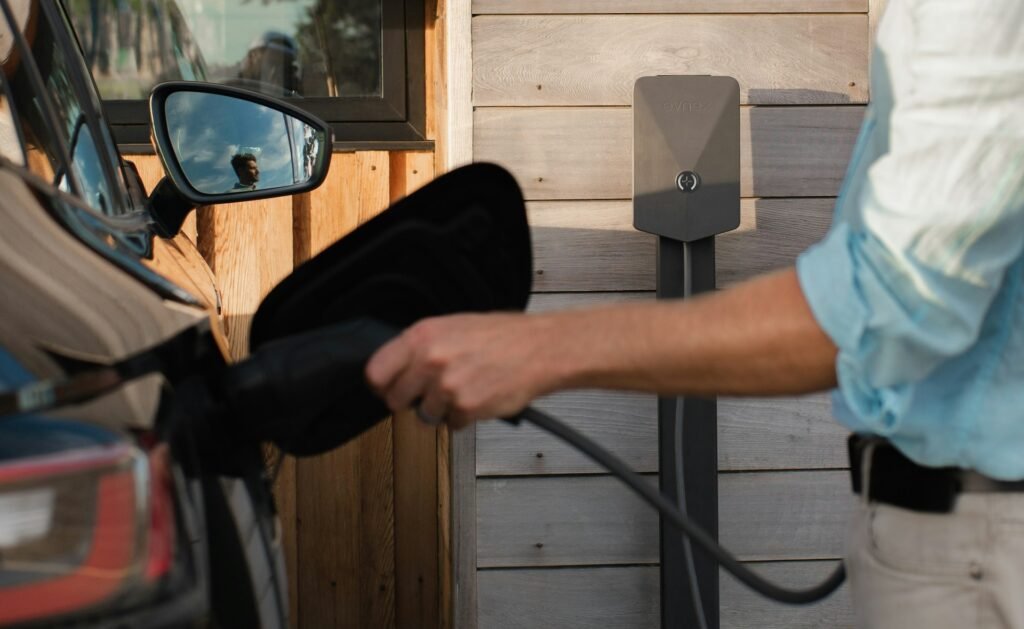
Even with all the public charging expansion, most EV charging still happens at home. That hasn’t really changed. For many people, the simplest routine is still the best one: plug in at night, forget about it, wake up with a full battery. No planning, no detours, no waiting around.
Home electrical setups have become more important than they used to be, and Tesla chargers now sit comfortably within that shift as EV charging moves from something new and experimental to something that simply blends into everyday life.
Where Things Are Slowly Heading
What’s happening with electric vehicles isn’t really one big change. It’s a lot of small adjustments happening at the same time, almost quietly.
Electricity networks are becoming more flexible. Cities are rethinking how space is used. Buildings are adapting to new patterns of energy demand. Even daily routines are shifting slightly to match when and how charging happens. Taken all of it together, it’s clear that transport and energy are slowly starting to behave like parts of the same system instead of separate worlds.
