
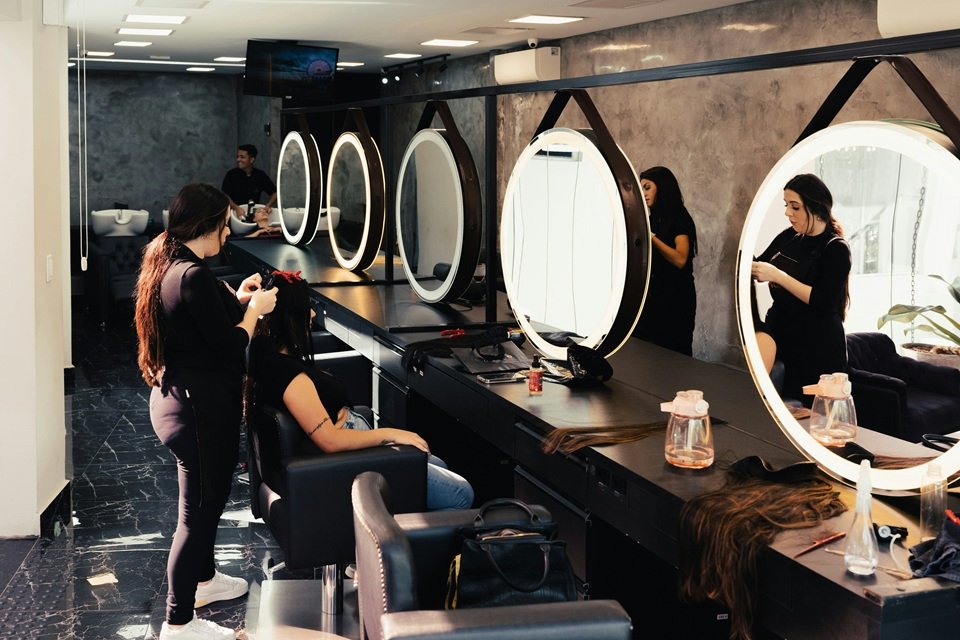
Leading hair salons in Paddington stand out through their technical skill, thorough consultations, and strong hygiene standards. Beyond basic haircuts or colouring, quality salons carefully assess hair condition, set realistic expectations, and use techniques that protect hair over time.
Human hair is primarily composed of keratin proteins arranged in layers. The outer cuticle protects the inner cortex, which determines strength, elasticity, and shape. Research published in the International Journal of Trichology shows that damage to the cuticle can affect shine, moisture retention, and structural integrity. For this reason, experienced stylists assess hair condition before recommending colouring, cutting, or treatment services.
When comparing professional hair salons, it is useful to look beyond location or pricing and evaluate how a salon approaches consultation, training, hygiene, and product knowledge. These factors indicate whether a salon operates in accordance with professional standards.
Clients exploring professional services can review options, such as hair salons Paddington, to understand the types of expertise and consultation offered by established salons.
What Professional Hair Salons Paddington Clients Trust Do First
The strongest salon clients return to prioritise consultation before any technical work begins. Hair behaves differently depending on texture, porosity, chemical history, and growth patterns. A professional stylist evaluates these characteristics before suggesting a haircut or colour plan.
Consultations typically include assessing hair density, reviewing previous colouring or chemical services, and identifying signs of dryness or breakage. This evaluation allows the stylist to determine how the hair will respond to cutting techniques or chemical processing.
Scientific research on hair care biology explains that repeated chemical exposure and grooming habits can gradually weaken the hair shaft. A structured consultation helps stylists reduce these risks by selecting appropriate techniques and treatments. It also allows realistic expectations to be discussed before the service begins.
Stylist Training and Technical Skill
Hairdressing is a skilled trade supported by formal training. In Australia, many professionals complete Certificate III in Hairdressing, which prepares stylists to perform consultations, haircuts, colour services, and treatments in salon environments.
Technical expertise becomes particularly important when performing complex services such as colour corrections, blonding, or layered precision cuts. These services require knowledge of colour chemistry, hair structure, and careful timing during chemical processing.
Experienced stylists continue developing their knowledge through advanced training and industry workshops. This ongoing education allows them to refine techniques and adapt to evolving product technologies.
A salon that values professional training is more likely to deliver consistent results and provide accurate advice about maintenance and hair care.
Hygiene and Salon Safety Standards
Hygiene is essential in professional hair services because tools and equipment come into direct contact with the scalp and skin. NSW Health advises that personal appearance services must maintain hygienic work practices to reduce infection risks.
Professional salons typically sanitise scissors, brushes, and combs between clients, maintain clean workstations, and use fresh towels or protective materials during services. Washing basins and styling areas should also be well-maintained.
A clean environment reflects how carefully a salon manages its daily operations. Attention to hygiene often aligns with broader professional standards, including product handling and service consistency.
Product Knowledge and Hair Care Science
Hair products influence both styling results and long-term hair condition. Professional salons usually select formulations designed for particular hair needs, including colour-treated hair, damaged strands, or naturally textured hair.
Cosmetic science research shows that conditioning ingredients such as silicones, fatty alcohols, and proteins help smooth the hair surface and reduce friction between strands. These ingredients support improved manageability and help minimise breakage during brushing or styling.
A knowledgeable stylist considers factors such as moisture balance, scalp sensitivity, and previous chemical treatments when recommending products. This guidance allows clients to maintain salon results and protect hair condition between appointments.
Consistency and Professional Client Care
Consistency is one of the clearest indicators of a well-managed salon. Reliable salons follow structured service steps that guide appointments from consultation through to finishing. These systems help ensure every client receives the same level of technical attention and communication.
Professional stylists also explain what clients can expect between visits. Hair growth patterns, colour regrowth, and styling habits all influence how long a result will last. When these factors are discussed clearly, clients can maintain their hairstyle more effectively and plan future appointments with confidence.
Conclusion
Choosing among the many hair salons Paddington offers requires more than comparing prices or reviews. Professional salons demonstrate expertise through structured consultations, trained stylists, strong hygiene standards, and a clear understanding of hair science.
Hair responds differently depending on its structure, treatment history, and environmental exposure. Skilled stylists use this knowledge to design haircuts, colour services, and maintenance routines that preserve hair health.
Clients evaluating hair salons Paddington services benefit from focusing on consultation quality, technical training, and consistent service standards. These factors provide the most reliable indication that a salon can deliver professional results while maintaining hair health in the long term, empowering clients with confidence in their salon choice.
